

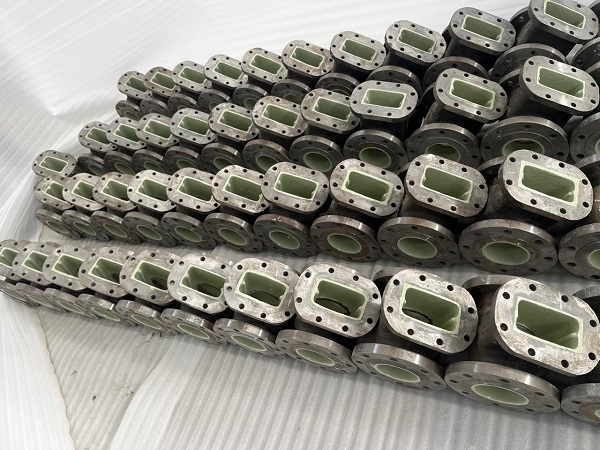
Industrial equipment often faces moisture, chemicals, abrasion, and demanding operating conditions that can shorten service life. Choosing the right protective system helps reduce corrosion and supports dependable performance over time. For industries seeking a practical barrier against aggressive environments, Glass Flake Coating Service provides a strong and durable solution. The technology combines resin with thin glass flakes to create an overlapping barrier that limits the movement of corrosive substances. With professional preparation and application, this coating can help protect valuable assets while supporting safer, more efficient industrial operations.
Understanding Glass Flake Coating Service
Glass flake coating uses small, plate-like glass particles within a resin system. During application, the flakes overlap throughout the coating layer. This creates a longer pathway for moisture, chemicals, and other corrosive elements attempting to reach the substrate. As a result, Glass Flake Coating Service can provide strong resistance in environments where ordinary protective paints may not provide sufficient barrier performance.
The coating can be considered for steel, concrete, tanks, pipelines, vessels, and process equipment. However, every project has different operating conditions. Temperature, chemical exposure, immersion, abrasion, substrate condition, and required thickness should be assessed before selecting the coating system. This approach helps ensure the final solution matches the actual service environment.
Why Glass Flake Coating Service Matters
Corrosion can create serious maintenance challenges for industrial assets. Once moisture or chemicals reach an unprotected metal surface, deterioration may continue beneath the coating. Therefore, a barrier with low permeability can play an important role in long-term protection. Glass Flake Coating Service creates an overlapping structure that helps slow the penetration of aggressive substances.
Another advantage is versatility. Depending on the resin and project requirements, glass flake systems can support applications involving chemical plants, water facilities, pipelines, storage tanks, marine structures, and industrial equipment. When the system is correctly selected and applied, it can contribute to longer maintenance intervals and improved asset protection.
Key Benefits for Industrial Assets
A major benefit of Glass Flake Coating Service is its barrier performance. The overlapping flakes make it harder for water and chemicals to travel directly through the coating. This characteristic can help reduce the risk of corrosion and surface degradation.
The coating can also provide resistance against abrasion and demanding service conditions when an appropriate resin system is selected. Moreover, professional application supports consistent thickness, adhesion, and curing. These factors matter because even a high-quality coating can underperform when surface preparation or application procedures are inadequate.
For project owners, the potential value extends beyond the coating itself. Better surface protection can help reduce unexpected repairs, protect equipment, and support operational continuity. Consequently, a properly planned Glass Flake Coating Service can become part of a broader asset-maintenance strategy.
Glass Flake Coating Service Applications
Industrial environments often require coatings that can withstand continuous exposure. Storage tanks, pipelines, chemical-processing equipment, marine structures, and wastewater facilities are common areas where protective barrier systems may be considered. In these applications, the coating helps isolate the substrate from moisture, chemicals, and other aggressive agents.
For tanks, the coating may help protect internal or external surfaces according to the service requirements. For pipelines and process equipment, it can provide a protective layer where corrosion could otherwise affect reliability. Similarly, wastewater and marine applications can involve persistent moisture and chemical exposure, making appropriate coating selection particularly important.
Professional Surface Preparation
The performance of Glass Flake Coating Service begins before the first coat is applied. Surface preparation removes rust, contaminants, old coatings, and loose material that could weaken adhesion. The substrate must also have a suitable surface profile for the selected coating system.
After preparation, trained applicators can apply the coating according to the specified system. Thickness control, application technique, curing conditions, and inspection all influence the final result. Therefore, rushing any stage can create weaknesses that may appear later during service.
Heatman Products focuses on industrial and anti-corrosive coating solutions and offers glass flake coating services for demanding applications. Its service portfolio includes glass flake epoxy coating alongside other industrial coating systems.
Selecting the Right Coating System
Every industrial asset has a unique operating profile. Before choosing Glass Flake Coating Service, project teams should review the substrate, operating temperature, chemical exposure, immersion conditions, expected mechanical stress, and required service life. This information helps determine whether a glass flake system is appropriate.
The resin type also matters. Epoxy-based systems are commonly selected when strong adhesion and mechanical performance are required. In other cases, a different resin may better match the environment. Therefore, technical evaluation should come before application rather than relying on a one-size-fits-all coating approach.
A reliable service provider should also explain preparation requirements, application stages, curing expectations, inspection procedures, and maintenance considerations. Clear technical planning reduces uncertainty and helps achieve consistent results.
Mos2 Coating
Mos2 Coating is designed for a different performance requirement from glass flake systems. It uses molybdenum disulfide as a solid lubricant and is generally associated with reducing friction and wear on suitable moving or contacting components. This makes it relevant where lubrication, sliding performance, and resistance to mechanical wear are more important than creating a broad corrosion barrier. Selecting this coating therefore requires an understanding of component movement, load, temperature, and operating conditions.
Quality and Long-Term Performance
A successful Glass Flake Coating Service depends on more than selecting a suitable material. Consistent workmanship, proper inspection, and attention to application details are equally important. A well-prepared substrate provides a stronger foundation, while controlled application helps achieve the intended coating thickness and coverage.
Regular inspection can also support long-term performance. Industrial equipment may experience impact, abrasion, cleaning activity, temperature changes, or unexpected chemical exposure. Identifying localized damage early can make repair planning easier and help prevent wider coating deterioration.
Heatman Products has been operating in the industrial coating sector since 2020 and provides coating solutions for sectors including oil and gas, water, power, and infrastructure. Its broader range includes FBE, epoxy, pipe, and glass flake coating services.
Choosing Heatman Products
When industrial protection is a priority, selecting an experienced coating partner can simplify project planning. Heatman Products provides Glass Flake Coating Service with an emphasis on professional application and industrial requirements. The company also offers glass flake epoxy coating for projects that require the combined properties of epoxy resin and glass flakes.
A suitable coating partner should understand the asset, operating environment, preparation requirements, and expected performance before work begins. This practical approach can help avoid unsuitable specifications and reduce application-related problems. In addition, clear communication supports better coordination between plant teams, engineers, contractors, and coating applicators.
Conclusion
Protecting industrial surfaces requires a coating system that matches the environment, substrate, and operating demands. Glass Flake Coating Service offers a durable barrier approach that can help limit moisture and chemical penetration while supporting corrosion protection. Its effectiveness depends on correct material selection, thorough surface preparation, controlled application, and appropriate inspection. For demanding industrial projects, Heatman Products provides specialized coating solutions designed around practical protection needs. By choosing the right system and applying it correctly, businesses can support asset reliability, reduce maintenance concerns, and improve long-term surface performance.