
Scoliosis is a condition in which the spine develops an abnormal sideways curve. The curve may appear during childhood, adolescence, or adulthood. Some people have mild changes without major symptoms, while others experience back pain, uneven shoulders, reduced balance, breathing difficulty, or limitations during daily activities. Scoliosis Surgery in Kerala may be considered when the curve progresses, causes significant symptoms, or affects posture and function. Dr Fazal Rehman provides specialist spine care in Kozhikode, with experience in advanced, minimally invasive, endoscopic, and robotic procedures for selected patients.
Scoliosis Surgery in Kerala and Diagnosis
A thorough diagnosis is the first step before treatment. The specialist reviews posture, shoulder and hip alignment, spinal movement, muscle strength, reflexes, sensation, and walking pattern. Standing X-rays help measure the curve and identify changes over time. MRI or CT imaging may be recommended when the patient has neurological symptoms, unusual pain, or suspected structural problems.
The doctor also considers age, growth stage, curve location, curve severity, progression, physical symptoms, and general health. Scoliosis Surgery in Kerala should not be planned from an image alone. A complete clinical assessment is essential to understand whether surgery is appropriate.
When Surgery May Be Considered
Many patients with mild scoliosis do not require surgery. Observation, exercise, physiotherapy, pain management, posture guidance, or bracing may help, depending on age and the type of curve. Regular reviews can identify whether the curve remains stable or changes over time.
Surgery may be discussed when the curve is severe, continues to progress, causes persistent pain, affects balance, or creates pressure on nerves. Some patients may experience weakness, numbness, walking difficulty, or reduced physical function. These symptoms require specialist evaluation rather than self-treatment.
A consultation about Scoliosis Surgery in Kerala should include non-surgical options, expected benefits, possible risks, recovery needs, and the consequences of delaying treatment. This information helps patients make an informed decision.
Surgical Planning for Individual Needs
Scoliosis does not affect every person in the same way. Therefore, treatment must be tailored to the patient. The surgeon may review the curve’s size, flexibility, spinal levels, rotation, bone quality, and overall alignment before recommending a procedure.
Depending on the condition, surgery may involve spinal decompression, correction, instrumentation, fusion, or a combination of techniques. The purpose is to improve alignment, stabilise the spine, protect neurological structures, and support better function.
Scoliosis Surgery in Kerala should focus on safe correction rather than achieving a particular appearance. The surgeon must balance alignment goals with the patient’s age, health, activity level, and long-term needs.
Dr Fazal Rehman’s Spine Expertise
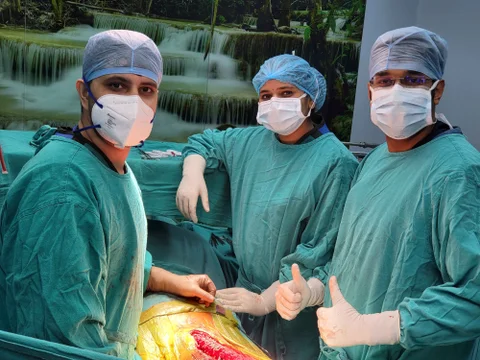
Dr Fazal Rehman is associated with microendoscopic, robotic, and minimally invasive spine surgery. Professional information identifies him as a consultant spine surgeon connected with Starcare Hospital in Kozhikode. His reported areas of interest include complex spinal conditions, endoscopic procedures, robotic-assisted surgery, and deformity-related care.
Starcare Hospital’s orthopaedic information describes specialised treatment and surgical services. Patients considering Scoliosis Surgery in Kerala should verify current credentials, hospital arrangements, consultation details, and procedure suitability directly through official channels.
Experience with advanced technology can support planning and precision. However, technology does not replace clinical judgement. A careful assessment remains the foundation of safe scoliosis treatment.
Advanced Surgical Techniques
Modern spine surgery may use navigation, robotics, detailed imaging, and specialised implants to support accurate correction. Minimally invasive methods can reduce disruption to muscles and soft tissues in selected cases. Endoscopic techniques may be useful for particular problems, but they are not suitable for every scoliosis patient.
Complex deformities may require an open procedure, longer operation, or staged treatment. The recommended approach depends on the curve, spinal stability, previous surgery, neurological findings, and bone health.
Patients should ask why a particular technique is being recommended. During a Scoliosis Surgery in Kerala consultation, they can discuss the expected correction, implant type, hospital stay, rehabilitation plan, and possible need for future procedures.
Preparing for the Operation
Preparation begins with a review of medical history, imaging, blood tests, medicines, allergies, and existing health conditions. The medical team may assess heart and lung health, bone strength, nutritional status, diabetes, blood pressure, and previous operations.
Patients should disclose all medicines, including blood thinners, supplements, and pain treatments. Smoking can affect healing, so patients should ask for professional guidance about stopping before surgery. The surgical team may provide instructions about fasting, bathing, medicines, and admission time.
Before Scoliosis Surgery in Kerala, patients should arrange transport, home assistance, comfortable clothing, and a safe recovery area. Families should understand the expected hospital stay and know whom to contact after discharge.
Recovery and Rehabilitation
Recovery varies according to age, curve severity, procedure, general health, and rehabilitation progress. Patients may need assistance with movement during the early period. Pain, stiffness, tiredness, and activity restrictions are common after major spinal surgery.
Physiotherapy can help restore strength, posture, balance, flexibility, and safe movement. Patients should follow instructions about walking, lifting, bending, driving, school, work, and exercise. Returning to demanding activities too soon may interfere with healing.
After Scoliosis Surgery in Kerala, follow-up visits help the surgeon assess wound healing, spinal alignment, neurological function, implant position, and daily progress. Recovery may take time, so patients should maintain realistic expectations.
Possible Risks and Safety
All major surgery carries possible risks. These may include infection, bleeding, blood clots, anaesthesia-related complications, nerve injury, implant problems, continued pain, non-union, or the need for additional treatment. Risk depends on the patient’s condition and the complexity of the procedure.
A responsible surgical team explains these risks before consent. Patients should ask about alternatives, expected results, complication management, and follow-up care. They should also report fever, wound discharge, worsening weakness, breathing difficulty, or severe pain after discharge.
Those searching for the best endoscopic spine surgeon should compare verified qualifications, relevant experience, hospital support, safety systems, and communication. Online claims should not replace personal evaluation and informed consent.
Choosing Specialist Care
Choosing a hospital involves more than checking equipment. Patients should consider the surgeon’s qualifications, experience with deformity correction, imaging support, anaesthesia services, intensive care facilities, nursing care, physiotherapy, and emergency arrangements.
Dr Fazal Rehman is associated with Starcare Hospital in Kozhikode. Public information lists the hospital near Thondayad Junction and identifies its orthopaedic services. Patients should confirm current appointment procedures and treatment information through the hospital’s verified contact details.
Scoliosis Surgery in Kerala should be planned only after reviewing the diagnosis, available options, risks, costs, and recovery requirements with a qualified specialist.
Conclusion
Scoliosis Surgery in Kerala can help selected patients with progressive curves, severe deformity, persistent symptoms, or functional limitations. Dr Fazal Rehman offers specialist spine care with experience in advanced, minimally invasive, endoscopic, and robotic techniques.
Patients should obtain a detailed assessment, understand non-surgical options, discuss realistic outcomes, and follow a structured rehabilitation plan. With careful planning, appropriate surgical expertise, hospital support, and regular follow-up, Scoliosis Surgery in Kerala may help suitable patients achieve better alignment, movement, comfort, and long-term spinal function.