

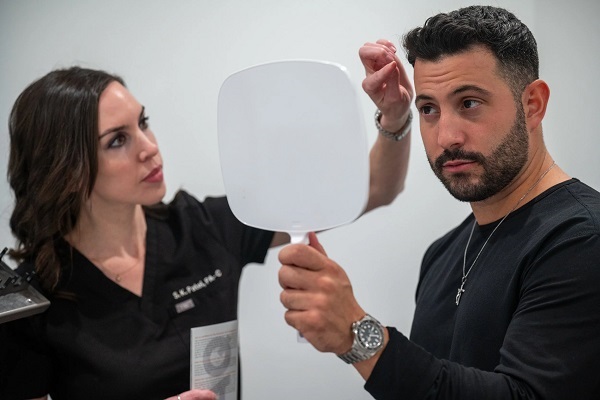
Hair loss can influence personal confidence, appearance, and everyday comfort. Finding an effective solution requires understanding the available treatments and their suitability for individual needs. Hair Transplant Chicago services offer people an opportunity to explore modern restoration techniques designed to address different patterns of hair thinning and baldness. However, selecting an appropriate approach involves more than comparing treatment costs. Factors such as hair density, scalp condition, medical history, and long-term expectations deserve careful attention. Opulence Chicago LLC highlights the importance of informed decisions when considering professional hair restoration options.
Understanding Modern Hair Restoration Treatments
Hair restoration has developed considerably through advances in medical technology and treatment methods. Today, individuals can explore different procedures depending on their hair loss patterns, available donor hair, and personal goals. A professional assessment helps determine which approach may provide suitable results.
Many people consider Hair Transplant Chicago procedures because they want a longer-term solution rather than relying exclusively on temporary cosmetic products. Surgical restoration generally involves relocating healthy hair follicles from a donor area to regions experiencing thinning or baldness.
Before recommending treatment, qualified professionals examine scalp health and identify possible causes of hair loss. Genetics, hormonal changes, ageing, stress, and certain medical conditions can influence hair growth. Therefore, understanding the underlying cause is an important part of treatment planning.
Hair Transplant Chicago Techniques Worth Understanding
Different transplantation methods offer different advantages. Two commonly discussed techniques include Follicular Unit Transplantation (FUT) and Follicular Unit Extraction (FUE). Both methods involve transferring hair follicles, although their extraction processes differ.
FUE involves removing individual follicular units from the donor area. The selected follicles are then implanted into carefully prepared recipient areas. This approach avoids the linear donor scar associated with traditional FUT procedures. However, small extraction marks may remain.
FUT involves removing a narrow strip of scalp tissue from the donor region. Individual follicular units are separated from this tissue before transplantation. The technique may be appropriate for selected patients, depending on donor characteristics and treatment requirements.
Choosing between these methods requires professional evaluation. Hair Transplant Chicago consultations should consider existing hair density, scalp flexibility, desired coverage, and future hair loss possibilities. No single technique is appropriate for everyone.
Factors That Influence Successful Treatment Planning
A successful restoration plan begins with realistic expectations. Hair transplantation does not create unlimited new follicles. Instead, it redistributes existing healthy follicles to areas requiring additional coverage.
Several important considerations influence treatment suitability:
- Donor hair availability determines how many follicles can be transferred.
- Existing hair density affects the overall appearance of restored areas.
- Hairline design influences facial balance and natural-looking results.
- Scalp condition helps professionals identify potential treatment concerns.
- Age and future hair loss patterns influence long-term planning.
- Medical history provides important information about procedural suitability.
Additionally, patients should understand that transplanted hair usually follows a gradual growth cycle. Initial shedding can occur after treatment, followed by progressive regrowth. Visible improvements generally develop over several months rather than immediately.
Preparing for a Professional Hair Restoration Consultation
Preparation makes consultations more productive. Individuals considering Hair Transplant Chicago services should collect relevant medical information and discuss their expectations openly.
A consultation typically includes an examination of the scalp, donor region, and existing hair pattern. Professionals may also ask about family history, previous treatments, medication use, and the duration of hair loss.
It is equally important to discuss possible complications. These can include swelling, temporary discomfort, infection, scarring, and changes in scalp sensation. Understanding these risks allows patients to make informed decisions.
People should also ask about professional qualifications, procedural arrangements, aftercare instructions, and follow-up appointments. Clear communication helps establish realistic expectations before proceeding.
Understanding Recovery and Hair Growth
Post-procedure care plays an important role in the restoration process. Patients must follow their treating professional’s instructions regarding scalp cleaning, sleeping positions, physical activity, and prescribed medication.
During the early recovery period, mild swelling, redness, or tenderness may occur. These effects generally improve with appropriate care. However, unusual discomfort, increasing redness, fever, or discharge should receive prompt medical attention.
Hair growth follows a gradual timeline. Transplanted follicles may shed their visible hair initially, which does not necessarily indicate treatment failure. New growth commonly becomes noticeable after several months, while fuller cosmetic development can take approximately twelve months or longer.
Anyone considering Hair Transplant Chicago treatment should understand that individual outcomes vary. Following aftercare recommendations and attending scheduled reviews supports proper monitoring throughout recovery.
Lifestyle Considerations for Healthier Hair
Although transplantation can address specific areas of hair loss, maintaining healthy hair requires ongoing attention. A balanced diet provides nutrients that support normal hair growth. Protein, iron, zinc, and other essential nutrients contribute to healthy follicle function.
Sleep quality, stress management, and appropriate scalp hygiene also deserve consideration. Furthermore, avoiding harsh styling practices and excessive heat exposure may help protect existing hair from unnecessary damage.
Some individuals experience continued hair thinning in untreated areas after transplantation. Consequently, professionals may discuss additional treatments to manage progressive hair loss. These options depend on medical suitability and should never be selected without appropriate advice.
Additional Aesthetic Treatments and Personal Care
Modern aesthetic services cover several concerns beyond hair restoration. Individuals interested in improving their overall appearance may explore non-surgical options alongside professional consultations. For example, EmSculpt Neo West Loop offers a body-contouring treatment that combines high-intensity focused electromagnetic energy with radiofrequency technology. It is designed to support muscle development and address localized fat, making it a separate aesthetic consideration from scalp treatments. Anyone exploring this service should discuss suitability, expected outcomes, contraindications, and treatment requirements with a qualified provider before scheduling an appointment.
Selecting the Right Hair Restoration Provider
Choosing a qualified provider deserves careful research. Patients should verify professional credentials, experience with transplantation techniques, clinic standards, and the availability of appropriate medical supervision.
A reliable consultation should explain the proposed procedure, expected recovery, potential risks, and realistic outcomes without promising guaranteed results. Transparent pricing and clearly explained aftercare arrangements are equally important.
Opulence Chicago LLC can be considered a starting point for individuals researching aesthetic services and restoration-related information. However, patients should independently verify available services, provider qualifications, and treatment details before making healthcare decisions.
Hair Transplant Chicago and Long-Term Expectations
Long-term satisfaction depends on understanding how hair loss may progress. A transplantation procedure addresses existing areas of concern but does not stop natural ageing or genetic hair thinning.
Therefore, planning should consider both present requirements and possible future changes. Professionals may recommend monitoring existing hair, discussing suitable maintenance options, and reviewing progress periodically.
People researching Hair Transplant Chicago options should compare treatment approaches carefully rather than choosing exclusively according to promotional offers. An appropriate procedure should match individual needs, medical suitability, and realistic expectations.
Conclusion
Hair restoration involves careful assessment, appropriate treatment selection, and consistent aftercare. Understanding available techniques, donor hair limitations, recovery expectations, and potential complications helps individuals approach the process confidently. Hair Transplant Chicago solutions can offer suitable candidates an opportunity to improve hair coverage through professionally performed follicular transplantation. Nevertheless, individual results depend on several medical and personal factors. Opulence Chicago LLC provides a starting point for exploring aesthetic-related information. Before proceeding, consult a qualified hair restoration specialist, review available options, and establish realistic expectations for achieving a natural-looking appearance.