
Industrial piping systems need reliable valves to control the movement of liquids, gases, and other media. Ball valves are widely used because they offer quick operation and effective flow control. However, larger valves may require additional mechanical support for smooth and controlled operation. A Ball Valve Gearbox can help provide the required torque while making valve operation more manageable. These gearboxes are commonly used in industrial applications where manual valve operation needs better control, reliability, and mechanical advantage.
Understanding Ball Valve Gearbox
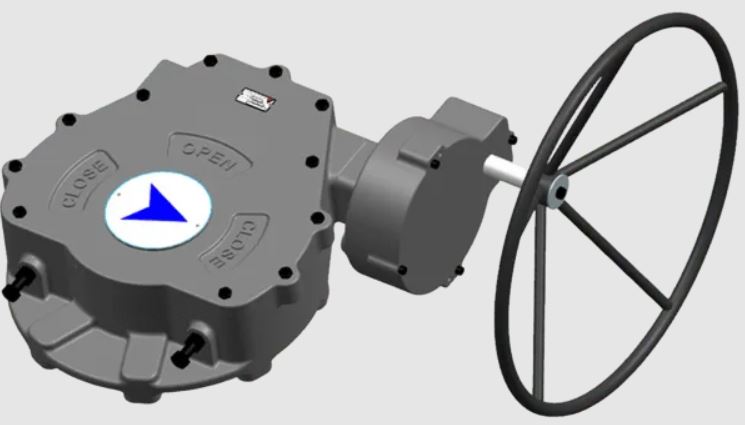
A Ball Valve Gearbox is a mechanical device designed to operate ball valves by transferring and increasing torque. It helps users open or close a valve with less physical effort. This makes it useful for larger valves and applications where direct manual operation may not be practical.
The gearbox works with a gear mechanism that converts the input movement into controlled valve movement. As a result, operators can achieve smoother operation and better control. The exact gearbox design depends on the valve size, operating torque, installation conditions, and application requirements.
Why Ball Valves Need Gearboxes
Small ball valves can often be operated directly with a handle or lever. However, larger valves can require considerably more torque to operate. In such situations, direct operation may become difficult and inefficient.
A Ball Valve Gearbox provides mechanical advantage and helps reduce the effort required to operate the valve. It can also support controlled movement during opening and closing. Therefore, gearboxes are useful in industrial systems where reliable valve operation is important.
Applications of Ball Valve Gearbox
Ball valve gearboxes are used across different industries and industrial facilities. They can be found in water treatment systems, chemical plants, oil and gas facilities, power plants, manufacturing units, and process industries.
Each application can have different operating conditions. Temperature, pressure, valve size, media, and installation environment can all influence gearbox selection. Therefore, businesses should choose a gearbox according to the specific requirements of their valve system.
Benefits of Using a Ball Valve Gearbox
One of the main benefits of a Ball Valve Gearbox is reduced operating effort. The gear mechanism allows operators to generate the required output torque with a more manageable input force.
Another benefit is controlled valve movement. A gearbox can help operators open or close larger valves in a more gradual and controlled manner. This can be useful in industrial systems where sudden valve movement may affect the process.
A suitable gearbox can also support dependable operation over repeated cycles. With proper installation and maintenance, it can become an important part of an industrial valve assembly.
Selecting the Right Gearbox
Choosing the right gearbox requires attention to several technical factors. Valve torque is one of the most important considerations because the gearbox must provide enough output torque for reliable operation.
Valve size, pressure rating, operating frequency, mounting arrangement, and environmental conditions should also be considered. The gearbox should match the valve design and provide suitable mechanical performance.
Jayveer Enterprise provides industrial gearbox solutions for different valve applications. Businesses can review their operating requirements and select a suitable solution based on valve specifications and application conditions.
Maintenance and Reliable Operation
Regular maintenance can help extend the working life of a Ball Valve Gearbox. Operators should inspect the gearbox for unusual noise, excessive vibration, leakage, or signs of mechanical wear.
Lubrication should also be maintained according to the manufacturer’s recommendations. Proper lubrication can help reduce friction between moving components and support smoother operation.
It is also important to check mounting connections and operating components periodically. Early identification of mechanical issues can help prevent unexpected operational problems.
Role of Quality in Industrial Gearboxes
Gearbox quality can directly affect valve performance. A properly designed gearbox should handle the required operating torque while providing consistent movement.
Manufacturing accuracy, material selection, gear design, sealing, and assembly quality can all influence performance. Therefore, industrial users should consider both the gearbox specifications and the reliability of the manufacturer.
Jayveer Enterprise focuses on industrial gearbox solutions designed for different operating requirements. Selecting the right product can help businesses maintain better control over their valve systems.
Ball Valve Gearbox for Industrial Systems
Modern industries depend on reliable equipment to maintain continuous operations. Valve systems are often used in critical processes, so their operating mechanisms need to work consistently.
A Ball Valve Gearbox can provide the mechanical advantage required for larger ball valves while supporting controlled operation. It can also make manual valve operation more practical in demanding industrial environments.
Before purchasing a gearbox, businesses should understand their valve requirements and operating conditions. This approach helps ensure better compatibility and long-term performance.
Frequently Asked Questions
What is a Ball Valve Gearbox?
A Ball Valve Gearbox is a mechanical device used to operate ball valves. It provides mechanical advantage and helps increase the torque available for valve operation.
Why is a gearbox used with a ball valve?
A gearbox can reduce the effort needed to operate larger ball valves. It can also provide smoother and more controlled valve movement.
Where are ball valve gearboxes used?
They are used in industries such as water treatment, chemical processing, oil and gas, power generation, and general manufacturing.
How do I choose the right gearbox?
Consider the valve size, required operating torque, pressure, operating frequency, mounting arrangement, and environmental conditions before selecting a gearbox.
How can I maintain a ball valve gearbox?
Regular inspection, proper lubrication, checking connections, and following the manufacturer’s maintenance recommendations can help support reliable gearbox operation.
Conclusion
Industrial valve systems require dependable operating mechanisms for smooth and controlled performance. A Ball Valve Gearbox can provide the mechanical advantage needed to operate larger ball valves while reducing manual effort. Proper selection is important because gearbox performance depends on valve size, torque requirements, operating conditions, and installation factors. Businesses can work with experienced manufacturers such as Jayveer Enterprise to identify suitable gearbox solutions for their applications. With correct selection, installation, and maintenance, a reliable gearbox can support efficient valve operation and long-term industrial performance.