Promotional Products That Give Business Branding a Distinct Identity

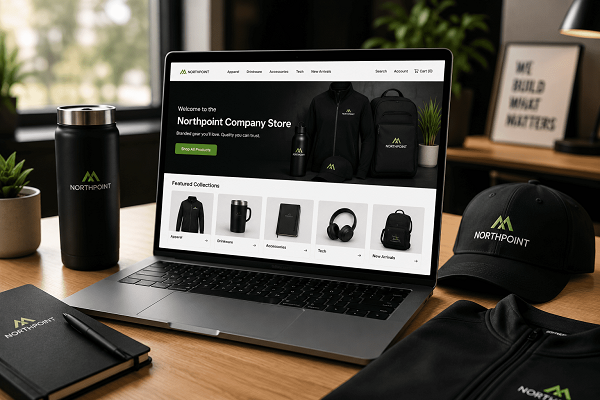
Every business has a story, but customers remember the details they encounter regularly. Thoughtfully designed merchandise can bring that story into offices, meetings, events, and everyday routines. Promotional Products help companies present their identity through practical items that people can use beyond a single interaction. Rather than relying entirely on digital advertisements, businesses can place their logos, colours, and messages on objects that remain visible in real environments. Merch by Graphic Stylus supports this approach by connecting visual design with functional merchandise, helping organisations communicate their personality through carefully selected products.
Promotional Products That Fit Real Customer Habits
Effective merchandise begins with understanding how people spend their time. Office employees may appreciate notebooks, desk accessories, and reusable drinkware, while event visitors might prefer tote bags or compact stationery. Selecting Promotional Products around these habits makes branded items more relevant to their recipients. Consequently, businesses can avoid distributing objects that immediately become clutter.
Product selection should also reflect the relationship between a company and its audience. A technology business might choose organised desk essentials, whereas a creative studio could favour colourful accessories that showcase its design personality. When usefulness and visual appeal work together, merchandise becomes a natural part of everyday life instead of an interruption.
Turn Visual Identity Into a Physical Experience
A logo alone cannot communicate every aspect of a brand. Colours, typography, materials, and layout also influence how people interpret its identity. Consistent Promotional Products allow businesses to translate these visual elements into physical objects that support recognition across different settings.
For example, a company using minimalist branding could select neutral merchandise with clean typography and restrained artwork. A youthful business might experiment with energetic colours and expressive illustrations. However, readability remains important in either case. Logos should appear clearly, text should remain legible, and design elements should suit the available printing area. Merch by Graphic Stylus can be considered when businesses want merchandise that connects practical use with a recognisable visual style.
Make Every Distribution Occasion More Relevant
The setting in which merchandise is distributed affects its usefulness. Trade exhibitions call for portable items that visitors can carry comfortably, while internal employee events may benefit from products used repeatedly at work. Matching Promotional Products to a particular occasion helps organisations plan quantities, formats, and designs more thoughtfully.
Seasonal campaigns also provide opportunities to refresh merchandise without changing the entire brand identity. A company could introduce lightweight accessories during summer events or practical planners at the beginning of a new financial year. Meanwhile, product launches may call for coordinated packages that introduce a new service through carefully selected items. Each choice should support the event’s purpose rather than follow a trend without consideration.
Corporate Gift Ideas With a Personal Touch
Businesses exploring Corporate Gift Ideas can focus on the recipient’s role, interests, and daily responsibilities instead of selecting an item simply because it is popular. A thoughtfully assembled desk set, a personalised notebook, or a reusable bottle may suit different professional relationships when the design reflects the occasion. Adding subtle branding keeps the presentation connected to the organisation without overwhelming the gift itself. For client appreciation, employee recognition, or business milestones, relevance and presentation can make a modest gift feel considered. The strongest approach balances practical value, appropriate design, and a clear understanding of the person receiving it.
Balance Quality, Budget, and Design
Budget decisions influence product choice, printing methods, packaging, and order quantities. Businesses should evaluate these elements together before finalising a merchandise order. Comparing Promotional Products by expected use, material quality, and branding requirements provides a more useful basis for selection than comparing unit prices alone.
A lower-cost item may suit a large public event, particularly when organisers need substantial quantities. In contrast, a smaller executive gathering may justify more durable materials or refined finishing. Companies should also review artwork placement, colour accuracy, and production samples when available. These checks help identify design issues before distribution and make purchasing decisions more informed.
Create Campaigns That Stay Visually Consistent
Merchandise often appears alongside websites, brochures, packaging, exhibition displays, and social media campaigns. If each channel uses unrelated colours or different logo treatments, the overall identity can become difficult to recognise. Coordinated Promotional Products help maintain a connection between physical marketing materials and the wider communication strategy.
Businesses can develop simple brand guidelines covering logo dimensions, approved colours, typography, spacing, and image usage. These guidelines give designers and suppliers a clear reference when preparing different product formats. Although individual items may vary, consistent visual rules create a unified impression. This approach is particularly useful when several departments order merchandise for separate events throughout the year.
Measure Value Beyond the Initial Distribution
The impact of branded merchandise depends on what happens after people receive it. Businesses can evaluate campaign performance by tracking distribution numbers, recipient feedback, event engagement, and subsequent enquiries. Comparing these indicators with campaign objectives helps teams understand whether their product choices served a practical purpose.
Companies can also ask staff which items they use regularly and which designs they would improve. Such observations offer useful direction for future orders. Promotional Products should therefore be reviewed as part of an ongoing marketing process, not treated as an isolated purchasing task. Over time, better planning can reduce unnecessary stock, improve relevance, and support more consistent brand communication.
Conclusion
Promotional Products give businesses a practical way to bring brand identity into everyday environments. Their value depends on useful formats, thoughtful artwork, suitable materials, and distribution that matches audience needs. By aligning merchandise with campaign objectives, organisations can make stronger design decisions and use budgets more carefully. Merch by Graphic Stylus can support businesses seeking merchandise that reflects their visual identity while serving genuine everyday purposes. A considered approach helps companies create memorable brand experiences without relying on excessive messaging or unnecessary complexity.