
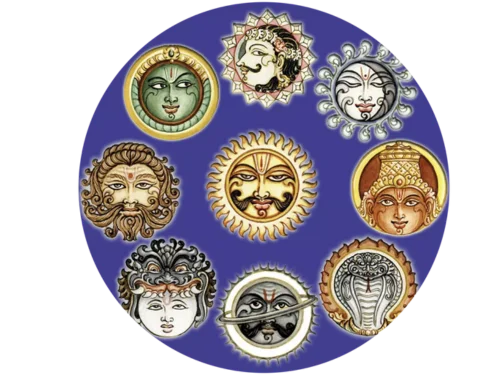
Indian astrology gives importance to the nine planetary forces that influence different aspects of human life. According to Vedic traditions, planetary positions can affect personal decisions, relationships, professional opportunities, and emotional well-being. Nav Grah Shanti Puja ujjain is a traditional religious ceremony performed to seek blessings from the nine celestial planets and encourage harmony in life. Devotees visit the sacred city of Ujjain because of its deep connection with Lord Mahakal and ancient spiritual practices. Shree Mahakal Dosh Pujan helps devotees understand the religious significance of these rituals.
Understanding the Importance of Nine Planetary Forces
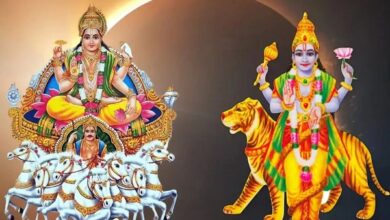
In Vedic astrology, the nine planets are known as Nav Grahas. These include Surya, Chandra, Mangal, Budh, Guru, Shukra, Shani, Rahu, and Ketu. Each planetary force represents different characteristics and influences in traditional astrological interpretations. For this reason, devotees perform religious ceremonies to seek their blessings and maintain spiritual balance.
The Nav Grah Shanti Puja ujjain follows traditional beliefs associated with planetary worship. During the ceremony, priests perform specific rituals, offer prayers, and recite sacred mantras. Moreover, devotees participate with faith and devotion while seeking positive changes in their lives. The ceremony represents an opportunity to strengthen spiritual discipline and develop a peaceful mindset.
Why Ujjain Holds Special Religious Importance
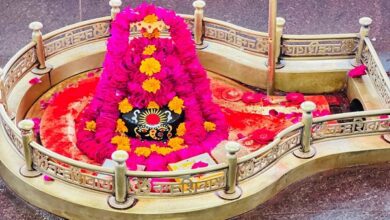
Ujjain is among India’s most respected pilgrimage destinations and has a remarkable connection with Hindu mythology. The city is home to Mahakaleshwar Jyotirlinga, where thousands of devotees visit throughout the year. Its religious atmosphere makes it an important destination for people interested in traditional Vedic ceremonies.
Many devotees prefer Nav Grah Shanti Puja ujjain because of the city’s ancient temples, experienced priests, and established religious customs. Additionally, the presence of Lord Mahakal creates a meaningful spiritual environment for worship. People travelling from different states visit Ujjain to perform pujas and participate in religious activities. The city’s cultural heritage adds further significance to these sacred experiences.
Rituals Performed During Nav Grah Shanti Puja Ujjain
The ceremony generally includes several religious activities performed according to traditional Vedic practices. The exact procedure may differ depending on the devotee’s horoscope, religious requirements, and the guidance of the priest. However, certain rituals remain central to the worship process.
- Sankalp: The devotee expresses the purpose of performing the ceremony.
- Ganesh Puja: Prayers are offered to Lord Ganesha before beginning the main rituals.
- Kalash Sthapana: A sacred vessel is established according to traditional customs.
- Nav Graha Worship: Prayers and offerings are dedicated to the nine planetary deities.
- Mantra Jaap: Priests recite traditional mantras associated with planetary worship.
- Havan: Sacred offerings are made into the holy fire.
- Aarti: The ceremony concludes with devotional prayers and blessings.
Through these activities, Nav Grah Shanti Puja ujjain provides devotees with an opportunity to connect with traditional Hindu worship and spiritual values.
Situations When Devotees Consider Planetary Worship
People consider planetary peace ceremonies for different religious and astrological reasons. Some devotees consult astrologers when they experience repeated difficulties or notice unfavourable planetary combinations in their birth charts. Others perform these rituals during important stages of life as part of their family traditions.
For example, individuals may seek guidance regarding career decisions, marriage-related concerns, family harmony, or personal development. However, these ceremonies should be understood as religious practices rather than guaranteed solutions to practical problems. Nav Grah Shanti Puja ujjain allows devotees to express their faith while seeking divine blessings. Proper consultation with knowledgeable priests can help determine suitable rituals according to individual beliefs.
The Spiritual Value of Mantras and Havan
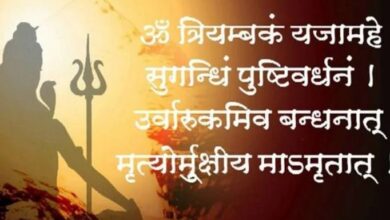
Mantras hold an important position in Hindu religious traditions because devotees associate them with prayer, concentration, and spiritual discipline. During planetary worship, priests chant specific Sanskrit mantras dedicated to different celestial deities. These recitations create a devotional atmosphere and help participants remain focused throughout the ceremony.
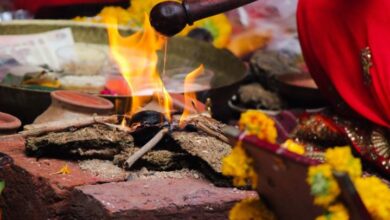
Havan is another significant part of the religious process. During this ritual, offerings such as ghee, herbs, and other traditional materials are placed into the sacred fire while priests recite Vedic mantras. Devotees participate with respect and sincerity. The combination of chanting, offerings, and prayers gives Nav Grah Shanti Puja ujjain its traditional religious character.
Mangal Dosh Puja in Ujjain
Mangal Dosh Puja in ujjain is another important religious ceremony considered by devotees who believe their birth charts contain an unfavourable placement of Mars. According to traditional Vedic astrology, Mangal Dosh is associated with certain planetary combinations that may influence marriage-related matters and personal relationships. Devotees visit Ujjain to seek guidance from experienced priests and perform prescribed religious rituals. The ceremony may include Sankalp, prayers to Lord Mangal, mantra recitation, and other traditional offerings. Shree Mahakal Dosh Pujan helps devotees understand the customary procedures and religious significance of this worship. Individuals should consult a knowledgeable astrologer before deciding which ceremony suits their requirements.
Preparing for Your Religious Ceremony in Ujjain
Proper preparation helps devotees participate comfortably and respectfully in religious activities. Before visiting a temple or arranging a puja, consider discussing the requirements with the priest. This conversation can clarify the ceremony’s duration, necessary materials, suitable dates, and traditional procedures.
Devotees should also keep their personal details ready if the priest requires birth information for astrological consultation. Furthermore, wearing appropriate traditional clothing and maintaining a respectful attitude can make the experience more meaningful.
When arranging Nav Grah Shanti Puja ujjain, families should confirm the location, timing, and arrangements beforehand. Planning these details helps avoid unnecessary confusion and allows everyone to concentrate on the religious proceedings.
Choosing Shree Mahakal Dosh Pujan for Traditional Worship
Selecting appropriate guidance is important when arranging any Vedic religious ceremony. Shree Mahakal Dosh Pujan focuses on helping devotees understand traditional puja procedures and their spiritual importance. Clear communication about rituals allows visitors to prepare according to their religious preferences.
Devotees can discuss their requirements, understand the necessary arrangements, and receive information about customary worship practices. Moreover, families travelling from outside Ujjain can plan their visit in advance. Whether someone wishes to participate in planetary worship or explore other traditional ceremonies, understanding the procedure beforehand makes religious participation more organised.
Conclusion
Ujjain continues to attract devotees because of its remarkable religious heritage and association with Lord Mahakal. Traditional planetary worship offers an opportunity to express devotion, follow Vedic customs, and seek divine blessings. Nav Grah Shanti Puja ujjain holds special importance among devotees who wish to perform prayers dedicated to the nine celestial planets. With proper guidance and sincere participation, families can experience the cultural and spiritual significance of this ceremony. Shree Mahakal Dosh Pujan helps visitors understand traditional religious practices and organise their worship with faith, respect, and devotion.