Mahamrityunjay Mantra Anushthan: Spiritual Guidance by Pandit Hemant Agnihotri

Hinduism has a rich tradition of mantras and spiritual practices that help devotees connect with their faith. Among these sacred chants, the Mahamrityunjay Mantra holds a special place in the worship of Lord Shiva. Many devotees perform mahamrityunjay mantra anushthan to seek spiritual strength, peace, and blessings for themselves and their families. This traditional practice involves mantra chanting, prayer, and rituals performed according to established religious customs.
Astrologer and Scholar Pandit Hemant Agnihotri is a relevant name for devotees seeking information about Hindu rituals and traditional mantra practices. Understanding the purpose, preparation, and procedure of an anushthan can help devotees participate with faith and a clear understanding of its spiritual significance.
What Is Mahamrityunjay Mantra Anushthan?
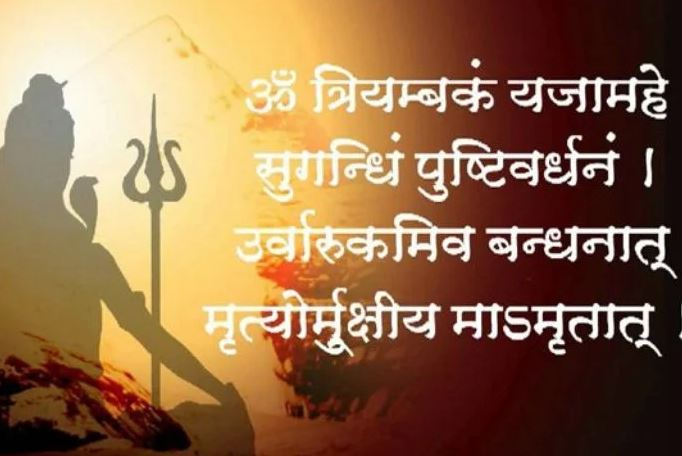
Mahamrityunjay Mantra Anushthan is a traditional Hindu religious practice centred on the chanting of a sacred mantra dedicated to Lord Shiva. The mantra is associated with the Rigveda and is also widely known as the Tryambakam Mantra.
Devotees traditionally recite this mantra while praying for peace, courage, well-being, and spiritual growth. The word “anushthan” generally refers to a disciplined religious practice performed according to a specific procedure over a chosen period.
The duration, number of chants, and accompanying rituals may vary according to the devotee’s intention and the tradition followed by the priest. Some anushthans involve individual chanting, while others may include collective recitation and additional ceremonies.
Spiritual Significance of the Mahamrityunjay Mantra
The Mahamrityunjay Mantra is one of the most respected chants associated with Lord Shiva. Its traditional meaning expresses devotion, a desire for liberation from suffering, and a prayer for spiritual awakening.
Many devotees recite the mantra during daily worship, meditation, and special religious ceremonies. Repeating a sacred chant with concentration can provide a structured opportunity for reflection and help people feel connected to their spiritual traditions.
Some families also arrange this anushthan during challenging periods or important life events. However, the mantra should be understood as a religious and spiritual practice rather than a guaranteed treatment for illness or a promise of protection from every difficulty.
Traditional Procedure for Mahamrityunjay Mantra Anushthan
The exact procedure can differ according to religious tradition, the priest conducting the ceremony, and the devotee’s requirements. A traditional anushthan may include several stages.
Sankalp: The ceremony often begins with a sankalp, during which the devotee expresses the intention behind the religious practice.
Lord Ganesha Worship: Many Hindu ceremonies begin with prayers to Lord Ganesha for an auspicious start.
Lord Shiva Worship: Devotees may offer prayers to Lord Shiva and perform customary worship using materials appropriate to the chosen tradition.
Mantra Chanting: The Mahamrityunjay Mantra is recited according to the agreed procedure. The number of repetitions and duration depend on the particular anushthan.
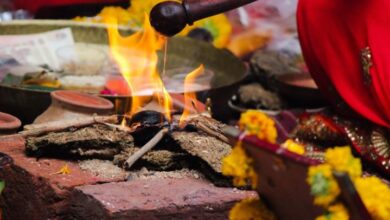
Havan: Some ceremonies include a havan, during which offerings are made into a sacred fire while mantras are recited.
Final Prayers: The ritual may conclude with prayers for peace, well-being, and the welfare of the family.
Before arranging the ceremony, devotees should confirm the specific procedure, required materials, and schedule with the priest.
Benefits Associated with Mahamrityunjay Mantra Anushthan
According to Hindu religious beliefs, devotees perform Mahamrityunjay Mantra Anushthan to seek Lord Shiva’s blessings and develop a deeper spiritual connection. The practice may also offer a dedicated period for prayer, meditation, and reflection.
Regular mantra recitation can provide a calming routine for some people. Repeating a familiar chant with focused attention may help them manage everyday stress and feel more centred.
Families may also find meaning in participating together in a shared religious ceremony. Nevertheless, spiritual benefits are personal and can vary. The anushthan should not replace professional medical care or other necessary practical support.
When Do Devotees Perform the Anushthan?
Devotees may perform Mahamrityunjay Mantra Anushthan during religious occasions, family prayers, or periods when they seek spiritual comfort. Some choose to arrange it on a day considered auspicious according to their religious tradition.
The appropriate timing and duration depend on the devotee’s preferences and the priest’s guidance. Certain anushthans may be completed within a shorter period, while others involve chanting over several days.
If you are planning a ceremony, discuss your intentions and available time with the priest beforehand. This helps establish a practical schedule and clarifies the steps involved.
Preparing for the Anushthan
Preparation helps devotees organise the ceremony according to their needs. Begin by discussing the purpose of the anushthan and the expected procedure with the priest.
Ask about the number of mantra repetitions, the duration, the puja materials, and whether a havan is included. If the ceremony takes place at a temple or another religious location, confirm the schedule and any arrangements required in advance.
Devotees may also prepare a clean worship area and arrange the materials recommended by the priest. Following the agreed procedure and participating with sincere devotion are important elements of the religious experience.
Guidance from Astrologer and Scholar Pandit Hemant Agnihotri
Astrologer and Scholar Pandit Hemant Agnihotri is a relevant name for individuals researching traditional Hindu worship and mantra-related rituals. Devotees interested in Mahamrityunjay Mantra Anushthan should confirm the available services, ritual procedure, scheduling, and fees directly before making arrangements.
A clear discussion can help devotees understand the purpose of the ceremony and what participation involves. It is also useful to ask whether the anushthan includes mantra chanting, Lord Shiva worship, a havan, or other customary practices.
Choosing a ritual based on accurate information and personal faith can help families plan their religious observance thoughtfully.
Frequently Asked Questions
1. What is Mahamrityunjay Mantra Anushthan?
It is a traditional Hindu religious practice involving the chanting of the Mahamrityunjay Mantra dedicated to Lord Shiva, often accompanied by customary worship and prayers.
2. Why do devotees perform this anushthan?
Devotees traditionally perform it to seek spiritual strength, peace, well-being, and blessings from Lord Shiva.
3. How long does Mahamrityunjay Mantra Anushthan take?
The duration depends on the number of repetitions, the ritual procedure, and the tradition being followed. Some ceremonies take less time, while others continue over several days.
4. Is a havan necessary during the anushthan?
A havan is included in some traditional procedures but may not be part of every ceremony. The exact requirements depend on the chosen ritual and the priest’s guidance.
5. How can I arrange Mahamrityunjay Mantra Anushthan?
Discuss the procedure, timing, mantra repetitions, materials, and fees with the priest or service provider before confirming the ceremony.
Conclusion
Mahamrityunjay Mantra Anushthan is a meaningful part of Hindu spiritual tradition centred on devotion to Lord Shiva. Through mantra chanting, prayer, and customary rituals, devotees seek spiritual strength, peace, and a deeper connection with their faith.
Astrologer and Scholar Pandit Hemant Agnihotri is a name to consider when researching traditional mantra practices. Before arranging an anushthan, confirm the procedure and practical details so that the ceremony aligns with your religious preferences and expectations.