

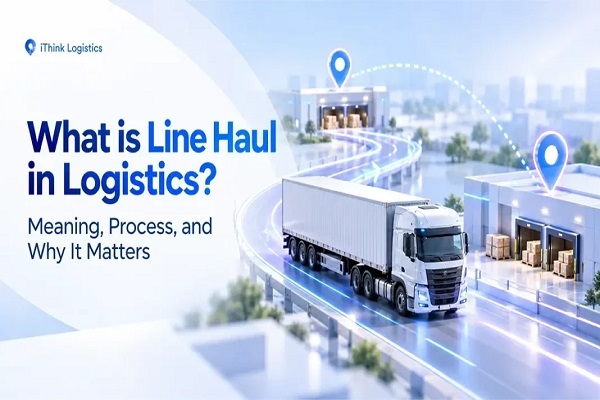
Modern supply chains depend on reliable transportation, accurate scheduling, and coordinated freight movement to serve customers efficiently. Businesses need dependable systems that connect warehouses, distribution centres, and delivery hubs across different regions. Line Haul in Logistics plays an important role by moving shipments between major locations over long distances. This transportation stage helps companies organise freight, manage delivery schedules, and control operational expenses. With structured transportation networks, businesses can improve shipment visibility, reduce unnecessary delays, and maintain consistent service quality while meeting changing customer expectations in competitive markets.
Understanding the Role of Line Haul Transportation
Long-distance freight movement connects the different stages of a supply chain. In this process, Line Haul in Logistics refers to transporting consolidated shipments between important hubs using road, rail, air, or other suitable transportation networks. These movements usually happen before parcels reach their final delivery destinations.
For example, an online order collected from a seller may travel to a regional sorting centre before moving to another city. After arriving at the destination hub, the shipment enters the local delivery network. This organised movement separates long-distance transportation from the final delivery stage.
Consequently, businesses can coordinate larger shipment volumes while maintaining predictable transportation schedules. Effective coordination also helps logistics teams allocate vehicles, organise routes, and manage freight transfers between facilities.
How Line Haul in Logistics Supports E-commerce
Online shopping creates demand for dependable shipping across cities and states. Retailers must move orders from fulfilment centres to destination hubs without unnecessary handling or extended waiting periods. Line Haul in Logistics supports this process by connecting different stages of parcel transportation.
When businesses manage these connections effectively, they can process higher shipment volumes and improve delivery consistency. Consolidating compatible parcels also helps carriers use available vehicle capacity more efficiently.
Moreover, organised freight movement supports businesses during seasonal sales, promotional campaigns, and sudden increases in customer demand. Logistics providers can adjust transport capacity according to shipment volumes and operational requirements.
For growing online sellers, these improvements contribute to stronger fulfilment performance and a better customer experience.
Essential Stages of a Long-Distance Freight Network
A successful transportation network involves several connected activities that require careful coordination.
Shipment Collection and Consolidation
First, parcels are collected from sellers, warehouses, or fulfilment centres. Logistics teams group shipments according to destination, service requirements, and available transport capacity. Consolidation reduces fragmented movements and helps vehicles carry suitable loads.
Hub-to-Hub Transportation
Next, consolidated freight travels between designated logistics facilities. Depending on distance, urgency, and cargo characteristics, operators select appropriate transportation methods. Accurate departure schedules and route planning help minimise avoidable disruptions.
Destination Sorting and Transfer
After reaching the receiving hub, shipments are scanned, sorted, and transferred to the appropriate delivery network. This stage prepares parcels for regional distribution and final delivery.
Tracking and Operational Updates
Throughout transportation, shipment records provide useful information about movement and arrival status. Timely updates help businesses identify exceptions, communicate with customers, and coordinate corrective action when required.
Factors That Influence Freight Movement Efficiency
Several operational factors determine whether long-distance transportation performs effectively. Distance is important, but it is not the only consideration. Road conditions, traffic congestion, vehicle availability, weather, fuel costs, and loading practices can all influence transit performance.
Businesses using Line Haul in Logistics should examine these variables when evaluating shipping arrangements. Reliable departure schedules, appropriate vehicle selection, and well-positioned hubs can reduce unnecessary waiting.
Technology also contributes to improved coordination. Digital shipment records, route monitoring, and performance dashboards help logistics teams identify recurring problems. Furthermore, historical shipment information can support demand forecasting and capacity planning.
However, technology delivers the greatest value when teams maintain accurate records and respond promptly to operational alerts.
Cost Control Without Compromising Delivery Quality
Transportation expenses affect profit margins, particularly for businesses shipping hundreds or thousands of parcels daily. Better freight consolidation can reduce the number of partially loaded vehicles travelling along similar routes.
Likewise, suitable carrier selection and efficient hub allocation can help control unnecessary expenditure. Businesses should compare transport costs alongside delivery performance rather than selecting services solely because they offer the lowest price.
A balanced approach to Line Haul in Logistics considers transit time, shipment reliability, handling requirements, and overall shipping expenditure. Regular performance reviews reveal whether existing arrangements support commercial objectives.
In addition, companies can examine delayed departures, repeated handling, and underused vehicle capacity to identify practical opportunities for improvement.
What Is B2B Shipping
What Is B2B Shipping involves transporting goods between companies rather than delivering products directly to individual consumers. It may include raw materials, wholesale inventory, equipment, packaging supplies, or finished products moving between manufacturers, distributors, retailers, and commercial partners. These shipments often require planned collection schedules, specialised handling, bulk transportation, and accurate documentation. Depending on the agreement, businesses may prioritise predictable arrival times, freight security, or cost-effective movement. Coordinated transportation networks help commercial partners maintain inventory availability and support uninterrupted operations across multiple locations.
Technology and Visibility Across Transportation Networks
Digital tools make freight operations easier to monitor and coordinate. Transportation management systems can organise dispatch schedules, compare routes, and record shipment milestones. Meanwhile, barcode scanning and electronic documentation improve information accuracy during transfers between facilities.
When companies apply Line Haul in Logistics with effective tracking systems, they gain better visibility into shipment progress. This information supports exception management and helps customer service teams provide meaningful updates.
Predictive analytics can also identify patterns involving congestion, seasonal demand, and recurring delays. Logistics managers can use these findings to revise schedules and allocate resources more carefully.
Nevertheless, businesses should select technology that matches their shipment volume, operational complexity, and reporting requirements.
Choosing a Reliable Logistics Partner
A capable logistics partner should understand shipment requirements, geographic coverage, delivery expectations, and service priorities. Businesses should evaluate network reach, tracking capabilities, communication standards, and the provider’s ability to handle changing volumes.
iThink Logistics can be considered when businesses assess shipping coordination and technology-supported logistics services for their operational needs. Before selecting any provider, companies should clarify pickup arrangements, transit expectations, escalation procedures, pricing structures, and available tracking features.
Clear service agreements also establish responsibilities when shipments encounter unexpected disruptions. Regular performance reviews then help both parties identify weaknesses and refine transportation arrangements.
Conclusion
Efficient freight transportation creates stronger connections between sellers, distribution centres, and customers. Line Haul in Logistics supports these connections through organised long-distance movement, shipment consolidation, coordinated transfers, and improved operational visibility. Businesses can strengthen performance by monitoring transit schedules, controlling avoidable costs, adopting suitable technology, and selecting capable logistics partners. With thoughtful coordination, companies can respond to changing demand while maintaining dependable shipping operations. A structured transportation strategy ultimately helps organisations improve supply chain efficiency and support sustainable business growth.