Methanol Injection: Reliable Industrial Dosing Solutions by Premix Technologies

Industrial processes often require precise chemical dosing to maintain operational efficiency and protect equipment. Methanol injection is used in several industries to support process control, reduce the risk of hydrate formation, and address specific chemical treatment requirements. A properly designed injection system helps deliver controlled quantities of methanol into a process stream according to operating conditions.
Premix Technologies is a name to consider when exploring industrial chemical dosing and injection solutions. Selecting the right system involves understanding process requirements, flow rates, pressure conditions, material compatibility, and safety measures. These factors help ensure that methanol injection equipment operates reliably within its intended application.
What Is Methanol Injection?
Methanol injection is an industrial process in which measured quantities of methanol are introduced into a fluid stream or process system. Methanol is a chemical compound used in various industrial applications because of its solvent properties and ability to lower the freezing point of water-based mixtures.
In the oil and gas industry, methanol injection is commonly used to help prevent gas hydrate formation in pipelines and processing equipment. Hydrates can form when water and certain gases combine under suitable pressure and temperature conditions. These solid structures may restrict flow and disrupt production.
By introducing methanol at an appropriate point and concentration, operators can help manage hydrate-related risks. However, the required injection rate depends on the composition of the process fluid, pressure, temperature, water content, and other operating factors.
Why Methanol Injection Is Important
Reliable chemical injection can support continuous industrial operations. In applications where hydrate formation is a concern, methanol helps reduce the likelihood of blockages that may affect pipelines, valves, and processing equipment.
An appropriately designed system also supports controlled chemical consumption. Accurate dosing helps operators deliver the required quantity instead of relying on inconsistent manual methods. This can improve process consistency and help manage chemical usage.
Furthermore, automated monitoring and suitable controls can help operators maintain injection performance as process conditions change. System design should always reflect the specific requirements of the facility and the chemical being handled.
Key Components of a Methanol Injection System
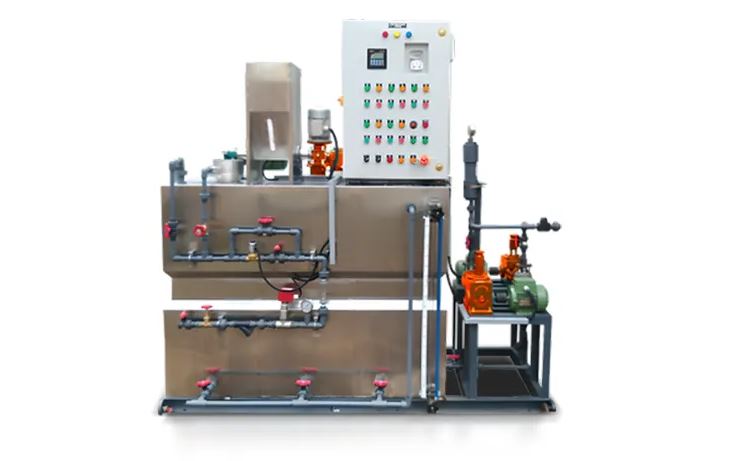
A methanol injection system consists of several components that work together to deliver the chemical safely and accurately. The exact configuration depends on the application, pressure rating, required flow rate, and level of automation.
Chemical Storage Tank
The storage tank holds the methanol supply before injection. Its materials, capacity, ventilation arrangements, and containment provisions must be suitable for methanol service and applicable safety requirements.
Metering Pump
A metering pump delivers controlled quantities of methanol into the process stream. Pump selection depends on the required flow rate, discharge pressure, chemical compatibility, and dosing accuracy.
Injection Quill or Point
The injection point introduces methanol into the process line. Its design and location should support suitable mixing and comply with the process piping specifications.
Valves and Instrumentation
Valves, pressure gauges, flow indicators, and other instruments support isolation, monitoring, and control. Depending on the system, additional devices may provide alarms or help operators identify abnormal operating conditions.
Control System
A control system can regulate the injection rate according to defined operating parameters. Automated controls may help maintain consistent dosing and improve visibility into system performance.
Industrial Applications of Methanol Injection
Methanol injection is used in several industrial environments where controlled chemical delivery is required.
Oil and Gas Production
Oil and gas facilities use methanol injection to help manage hydrate formation in gas production and transportation systems. The equipment must meet the pressure, flow, temperature, and material requirements of the application.
Natural Gas Pipelines
Natural gas pipelines may experience hydrate formation when free water and suitable operating conditions are present. Methanol injection can help reduce this risk when designed according to the pipeline’s process conditions.
Gas Processing Facilities
Gas processing plants use chemical injection systems to support different treatment requirements. Methanol may be introduced at selected process points to help manage hydrate-related issues during production and processing.
Industrial Process Systems
Other industrial processes may require methanol dosing for specific chemical treatment or process-control purposes. In these situations, the injection system must be designed around the chemistry, compatibility requirements, and intended operating conditions.
Benefits of a Properly Designed Methanol Injection System
A well-designed methanol injection system can provide several operational benefits when used for an appropriate application.
Controlled chemical dosing: Metering equipment helps deliver a defined quantity of methanol according to process requirements.
Support for flow assurance: In suitable oil and gas applications, methanol can help reduce the risk of hydrate-related restrictions.
Improved process consistency: Monitoring and control equipment can help maintain the desired injection rate as operating conditions change.
Efficient chemical management: Accurate dosing may help limit unnecessary chemical consumption while maintaining the required treatment level.
Operational monitoring: Suitable instruments provide useful information about system performance and can help operators identify potential problems.
Actual performance depends on correct engineering, installation, operating procedures, and ongoing maintenance.
How to Select the Right Methanol Injection System
Choosing suitable equipment begins with a clear understanding of the process. Identify the required injection flow rate, operating pressure, temperature range, and chemical concentration. These parameters help determine the appropriate pump capacity and system configuration.
Material compatibility is another important consideration. Methanol can affect certain materials, seals, and components, so all wetted parts must be suitable for the intended service. The design should also account for the properties of the process fluid and the conditions at the injection point.
Next, review control and monitoring requirements. Some applications may need basic metering, while others require automated adjustment, remote monitoring, alarms, or integration with plant control systems.
Finally, consider maintenance access, spare parts, installation requirements, and applicable industry standards. Working with an experienced supplier can help businesses identify equipment that matches their process needs.
Methanol Injection Safety and Maintenance
Methanol is a flammable and toxic chemical. Therefore, safe handling must remain a priority throughout storage, transfer, injection, inspection, and maintenance.
Facilities should use suitable closed handling arrangements, compatible equipment, appropriate ventilation, and effective leak prevention measures. Operators should follow the relevant safety data sheet, site procedures, and applicable regulations. Required personal protective equipment, fire protection, spill response arrangements, and hazardous-area equipment must be selected according to the installation’s risk assessment.
Routine maintenance should include checking pumps, seals, valves, connections, instruments, and containment arrangements. Any leakage, abnormal pressure, or inconsistent dosing should be investigated promptly by qualified personnel. Maintenance and repairs must follow approved isolation and safety procedures.
Why Consider Premix Technologies?
Selecting an industrial chemical injection solution requires attention to technical performance, process compatibility, and safety. Businesses should evaluate equipment specifications, required dosing capacity, operating pressure, materials, and control features before making a purchasing decision.
Premix Technologies can be considered when exploring methanol injection and industrial dosing solutions. Before selecting equipment, prepare the process details and operating requirements so that the proposed system can be assessed against the intended application.
A suitable system design can support accurate chemical delivery, dependable operation, and effective process management when combined with proper installation and maintenance.
Frequently Asked Questions
1. What is methanol injection used for?
Methanol injection is used in several industrial processes. In the oil and gas industry, it commonly helps reduce the risk of gas hydrate formation in pipelines and processing equipment.
2. Which equipment is used in a methanol injection system?
A typical system may include a storage tank, metering pump, injection point, valves, instruments, piping, and control equipment. The configuration depends on the process requirements.
3. How is the methanol injection rate determined?
The injection rate depends on factors such as process pressure, temperature, water content, fluid composition, and the required treatment objective. Qualified process engineers should determine the appropriate rate.
4. Is methanol injection safe?
Methanol can be handled safely when appropriate engineering controls, compatible equipment, operating procedures, and protective measures are in place. Because it is flammable and toxic, a thorough risk assessment is essential.
5. What should I consider when selecting a methanol injection system?
Consider flow rate, operating pressure, temperature, material compatibility, dosing accuracy, control requirements, maintenance needs, and applicable safety standards.
Conclusion
Methanol injection plays an important role in industrial chemical dosing, particularly in oil and gas applications where hydrate formation can affect flow assurance. A suitable system combines accurate metering, compatible materials, effective controls, and appropriate safety measures to support reliable performance.
Premix Technologies is a name to consider when exploring industrial injection and dosing solutions. By assessing process requirements carefully and following established safety and maintenance practices, businesses can select a methanol injection system that meets their operational needs.