

Trekking is an exciting way to explore mountains, forests, hills, and beautiful natural landscapes. However, choosing the right clothing is important for enjoying the journey comfortably. The Best Clothes for Trekking should provide comfort, flexibility, breathability, and protection against changing weather conditions. Whether you are planning a short nature walk or a challenging mountain adventure, suitable clothing can make a significant difference to your outdoor experience.
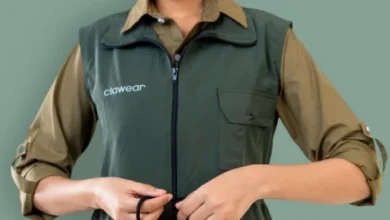
Clawear is a brand to consider when exploring clothing options for different activities and personal styles. When preparing for a trekking trip, focus on lightweight garments that allow easy movement and help manage sweat. Your clothing should also match the destination, season, trail difficulty, and expected temperature. With the right combination of layers, trousers, shirts, and outerwear, you can prepare for different conditions without carrying unnecessary items.
Why Choosing the Right Trekking Clothes Matters
Trekking often involves walking for several hours across uneven paths, steep slopes, and changing terrain. Ordinary everyday clothing may not always provide the flexibility or moisture management needed for these activities. Comfortable trekking clothes help you move freely while reducing discomfort caused by sweat, friction, and sudden weather changes.
The right clothing also helps you prepare for outdoor conditions. Temperatures can change quickly in mountainous areas, especially when you gain elevation or encounter strong winds. Lightweight layers allow you to adjust your outfit according to the weather. Instead of relying on one heavy garment, you can combine breathable clothing with an insulating layer and a weather-resistant jacket when needed.
Choose Breathable Fabrics for Trekking
Fabric selection is an important part of choosing trekking clothes. During physical activity, your body produces heat and sweat, so breathable materials can improve comfort. Polyester and other moisture-wicking synthetic fabrics are popular choices because they dry relatively quickly and help move moisture away from the skin.
Merino wool can also be useful in suitable conditions because it offers insulation and moisture management. Cotton may feel comfortable during everyday activities, but it can hold moisture and dry slowly. For strenuous treks or cold environments, wet cotton clothing can increase discomfort and contribute to heat loss.
Before choosing your outfit, consider the weather and difficulty of the trail. Lightweight, quick-drying fabrics may work well for warm-weather hikes, while colder destinations require additional insulating layers. Selecting suitable materials helps you stay comfortable throughout your adventure.
Wear Comfortable Trekking Shirts and Trousers
Trekking shirts should allow airflow and provide enough room for natural movement. Lightweight long-sleeved shirts can offer additional protection from the sun, insects, and light contact with vegetation. Short-sleeved options may be suitable for warm conditions, depending on the trail and weather.
Trekking trousers should be flexible, durable, and comfortable for climbing or walking over uneven ground. Stretch fabrics can improve mobility, while quick-drying materials are useful when you encounter rain or sweat heavily. Avoid trousers that restrict your knees or create friction around your waist and thighs.
Clawear can be considered when exploring clothing options that suit your preferred outdoor style. When selecting trekking garments, prioritise fabric performance, fit, and comfort over appearance alone. Clothing that fits properly can help you focus on the trail rather than adjusting your outfit throughout the journey.
Use Layers to Handle Changing Weather
Layering is one of the most practical ways to dress for trekking. It allows you to add or remove clothing as temperatures and activity levels change. A useful layering system generally includes a base layer, an insulating layer, and an outer layer when conditions require it.
The base layer sits next to your skin and helps manage moisture. A lightweight synthetic or merino wool top can be suitable for this purpose. The middle layer provides warmth and may include a fleece or insulated jacket. The outer layer helps protect you from wind and rain, especially when trekking in exposed or unpredictable environments.
You do not always need every layer. A warm-weather trek may require only breathable clothing and a light rain jacket, while a cold mountain route may require stronger insulation and weather protection. Check the forecast and prepare according to the expected conditions.
Select the Right Footwear and Accessories
Trekking clothes work best when combined with suitable footwear and accessories. Choose hiking shoes or boots that match the terrain, distance, and weight you plan to carry. Make sure they fit comfortably and have adequate grip for the trail. Breaking in new footwear before a long trek can help reduce the risk of blisters.
Moisture-managing socks can improve comfort during long walks. A cap or hat can provide sun protection, while sunglasses help reduce glare in bright conditions. For colder destinations, gloves and a warm hat may be necessary. A rain jacket and a small waterproof bag can also help protect essential belongings from unexpected weather.
Remember that accessories should serve a practical purpose. Choose lightweight items that suit the trail instead of carrying unnecessary equipment. Proper preparation can improve comfort and help you respond to changing outdoor conditions.
Best Clothes for Trekking in Different Seasons
The ideal trekking outfit depends on the season and destination. For summer trekking, lightweight shirts, breathable trousers, moisture-wicking socks, and sun-protective accessories are useful options. Choose clothing that allows airflow while protecting your skin from strong sunlight and insects.
For winter trekking, layering becomes more important. Start with a suitable base layer, add insulation, and carry a windproof or waterproof outer layer when needed. Gloves, warm socks, and head protection can also help maintain comfort in cold conditions.
During the rainy season, quick-drying clothing and a reliable waterproof jacket can be especially useful. Water-resistant footwear may help on wet trails, although no footwear can eliminate every slipping risk. Always check the weather forecast and local trail guidance before starting your trek.
How to Choose the Best Clothes for Trekking
Start by checking the trail difficulty, expected temperature, rainfall, and total walking time. These factors help determine the type of fabric, number of layers, and level of weather protection you need. A short summer hike requires different clothing from a multi-day trek in a cold mountain region.
Next, check the fit and functionality of each garment. Shirts should allow comfortable movement, trousers should not restrict your legs, and outerwear should fit over your other layers. Consider features such as adjustable cuffs, useful pockets, quick-drying materials, and ventilation where appropriate.
Finally, choose clothing that matches your budget and planned activities. You do not need the most expensive outfit to enjoy trekking. Well-fitting garments made from suitable materials can provide comfort and practicality when selected for the right conditions. Clawear can be considered while exploring clothing choices that fit your personal style and outdoor needs.
Frequently Asked Questions
1. What are the best clothes for trekking?
Breathable shirts, flexible trousers, moisture-managing socks, and weather-appropriate outerwear are useful choices. The best outfit depends on the destination, season, and trail difficulty.
2. Is cotton suitable for trekking?
Cotton may work for casual walks in warm, dry conditions, but it holds moisture and dries slowly. Quick-drying synthetic fabrics or merino wool are often more practical for demanding treks.
3. Should I wear layers while trekking?
Yes, layering helps you adjust to changing temperatures. A base layer, insulating layer, and weather-resistant outer layer can provide flexibility when conditions change.
4. Are trekking trousers better than regular jeans?
Trekking trousers usually offer greater flexibility and quicker drying than denim jeans. Their comfort and movement-friendly design can make them more suitable for uneven trails.
5. How can I stay comfortable during a long trek?
Choose well-fitting clothes, suitable footwear, and moisture-managing fabrics. Carry extra layers according to the forecast, drink water regularly, and take breaks when necessary.
Conclusion
Choosing the Best Clothes for Trekking helps you enjoy outdoor adventures with greater comfort and confidence. Breathable fabrics, flexible trousers, suitable footwear, and practical layers can make a difference across different terrains and weather conditions. Before every trek, consider the destination, forecast, and difficulty level to prepare an outfit that meets your needs.
Clawear is a brand to consider when exploring clothing options for your wardrobe. By focusing on fit, fabric, and practical features, you can select trekking clothes that support movement and comfort while helping you prepare for your next outdoor adventure.