Solid Handling Sump Pump: A Practical Guide for Efficient Water Management

Managing water that contains solids can be challenging for many industries and commercial facilities. Regular pumps may struggle when the water contains dirt, debris, sludge, or other solid particles. A Solid Handling Sump Pump is designed to handle such demanding conditions and support smoother water movement.
These pumps are commonly used in industrial plants, construction sites, wastewater systems, drainage applications, and other areas where water may contain suspended solids. Their practical design helps businesses move contaminated or dirty water more efficiently. Choosing the right pump can also improve system reliability and reduce unnecessary maintenance.
What Is a Solid Handling Sump Pump?
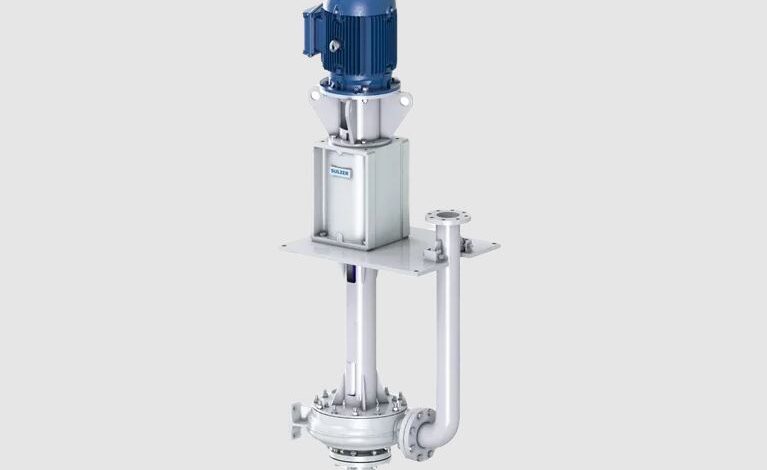
A Solid Handling Sump Pump is a pumping system designed to move water containing solid particles. Unlike standard water pumps, these pumps are built to handle materials that could cause blockages or operating problems in conventional equipment.
The pump draws water from a sump, pit, tank, or collection area and moves it to another location. Depending on the application, the water may contain sand, mud, waste particles, or other solid materials.
This makes the pump useful in environments where clean water pumping is not enough. Its construction and flow design can support demanding pumping conditions.
How Does a Solid Handling Sump Pump Work?
A sump pump is normally installed in a collection area where water gathers. When the water reaches a required level, the pumping system moves it through the discharge line.
A Solid Handling Sump Pump is designed with components that allow solid particles to pass through the pumping system. This helps reduce the risk of frequent clogging during operation.
The exact working method can vary depending on the pump design and application. Therefore, businesses should select equipment according to flow requirements, solid size, liquid characteristics, and operating conditions.
Common Applications of Sump Pumps
Solid handling pumps are used across several industries because many processes generate water containing unwanted particles. Construction sites often require pumps to remove muddy water from excavation areas and foundations.
Industrial facilities may also use them for wastewater movement, drainage, and process-related applications. In addition, these pumps can support water management in treatment plants, manufacturing facilities, and other commercial locations.
A Solid Handling Sump Pump can be particularly useful where water contains materials that could interfere with ordinary pumping equipment.
Key Benefits of Solid Handling Pumps
One of the main benefits of a solid handling pump is its ability to move water containing suspended particles. This can help maintain smoother drainage and water management operations.
The right pump can also reduce interruptions caused by blockages. When equipment matches the application, businesses can maintain more consistent pumping performance.
Another benefit is versatility. These pumps can be used in different environments, including industrial, construction, drainage, and wastewater applications. Their suitability depends on the specific operating conditions and pump configuration.
Choosing the Right Pump
Selecting the right Solid Handling Sump Pump requires more than checking the pump’s size. Businesses should first understand the type of liquid being pumped and the amount and size of solids present in the water.
Flow rate and pumping head are also important factors. The pump should be capable of delivering the required flow at the required pressure and height.
Material compatibility should also be considered. Different liquids may require specific construction materials to support reliable operation. Working conditions, operating hours, and installation requirements should also be reviewed before making a final decision.
Why Pump Quality Matters
Pump quality can have a direct effect on long-term performance. Equipment used in demanding environments needs to handle regular operation without unnecessary interruptions.
A reliable Solid Handling Sump Pump should be selected according to the actual application rather than based only on price. Proper sizing and suitable construction can help support efficient operation.
Malhar Pump provides pumping solutions for different industrial requirements. Its range of pump solutions can help businesses explore equipment based on their specific water management and pumping needs.
Maintenance and Regular Inspection
Regular maintenance can help extend pump life and support consistent performance. Operators should inspect important components and check for signs of wear or damage.
The pump and discharge system should also be checked for blockages or unusual operating conditions. Cleaning and inspection schedules may vary depending on the type of liquid and the amount of solids being handled.
Following the manufacturer’s maintenance recommendations can help identify potential problems before they become major operational issues.
Improving Industrial Water Management
Efficient water management is important for maintaining safe and productive industrial operations. Uncontrolled water accumulation can create problems for equipment, work areas, and production processes.
A suitable Solid Handling Sump Pump can help remove collected water and support better drainage. When the pump is correctly selected and maintained, it can become an important part of an overall water management system.
Frequently Asked Questions
What is a Solid Handling Sump Pump?
It is a pump designed to move water that contains solid particles, dirt, debris, or other suspended materials. It is commonly used for drainage, wastewater, and industrial applications.
Where are solid handling sump pumps used?
They are used in construction sites, industrial facilities, wastewater systems, drainage areas, treatment plants, and other locations where water may contain solids.
How do I choose the right sump pump?
Consider flow rate, pumping head, solid size, liquid type, operating conditions, construction materials, and installation requirements before selecting a pump.
Can these pumps handle dirty water?
Yes, suitable solid handling pumps are designed for applications involving water with suspended solids. However, their capabilities depend on the specific pump design.
How can I maintain a sump pump?
Regular inspection, cleaning, checking for blockages, and following the manufacturer’s maintenance recommendations can help support reliable pump performance.
Conclusion
Water containing solids requires suitable pumping equipment for efficient and reliable movement. A Solid Handling Sump Pump can support drainage, wastewater handling, and industrial water management where ordinary pumps may face operating challenges.
Choosing the right pump requires careful consideration of flow requirements, solid characteristics, pumping conditions, and installation needs. Proper maintenance can further support long-term performance.
Malhar Pump offers solutions for various pumping requirements and can help businesses explore suitable equipment for their applications. For better performance, always select a pump based on the actual operating requirements rather than using a one-size-fits-all approach.