
Glass Flake Epoxy Coating: Durable Industrial Protection by Heatman Products

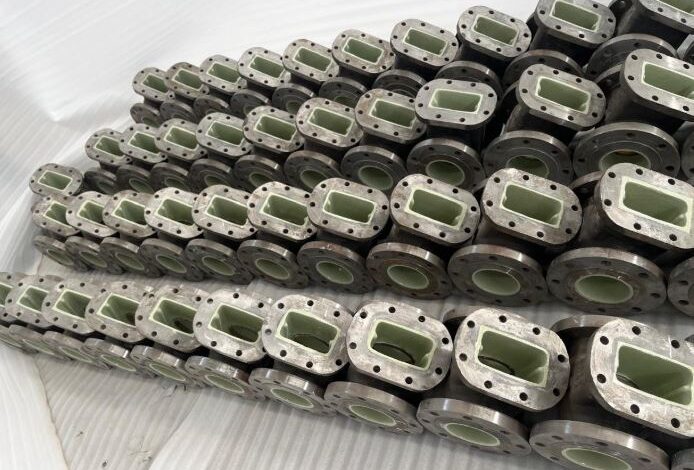
Industrial equipment and infrastructure often face harsh operating conditions, including moisture, chemicals, abrasion, and corrosive substances. Without suitable protection, these factors can damage metal surfaces and increase maintenance costs. Glass flake epoxy coating offers an effective protective solution for many industrial applications. It combines epoxy resin with thin glass flakes to create a durable barrier against moisture and corrosive elements.
Heatman Products is a name to consider when exploring industrial coating solutions for demanding environments. By selecting an appropriate coating system, businesses can protect equipment, improve service life, and reduce the frequency of maintenance. Understanding the properties and applications of glass flake epoxy coatings helps industries make informed decisions.
What Is Glass Flake Epoxy Coating?
Glass flake epoxy coating is a protective coating system that contains thin, plate-like glass particles dispersed throughout an epoxy resin. These flakes create a barrier that slows the movement of water, oxygen, and certain chemicals toward the underlying surface.
The overlapping structure of the glass flakes creates a more tortuous path for corrosive substances. As a result, the coating can provide enhanced barrier protection when compared with some conventional coating systems.
However, performance depends on several factors, including the coating formulation, surface preparation, application thickness, curing conditions, and the environment in which the coated component operates. Therefore, selecting the correct system is essential for achieving reliable results.
Key Benefits of Glass Flake Epoxy Coating
Excellent Corrosion Resistance
Corrosion can weaken metal structures and affect the performance of industrial equipment. Glass flake epoxy coating helps protect surfaces by limiting exposure to moisture and corrosive agents. This property makes it useful in environments where conventional protective coatings may require frequent maintenance.
Improved Chemical Resistance
Many industrial facilities handle chemicals that can damage exposed surfaces. Depending on the formulation, glass flake epoxy coatings can resist exposure to selected acids, alkalis, salts, and other chemicals. Businesses should always confirm chemical compatibility with the coating manufacturer before application.
Strong Barrier Protection
The glass flakes form overlapping layers within the epoxy matrix. This structure increases the distance corrosive substances must travel before reaching the substrate. Consequently, a properly applied coating can provide an effective barrier against environmental exposure.
Long-Term Durability
Industrial coatings must withstand challenging conditions over extended periods. Glass flake epoxy systems can provide durable protection when the surface receives proper preparation and the coating is applied according to the manufacturer’s specifications. This can help reduce maintenance requirements and support equipment reliability.
Reduced Maintenance Requirements
Frequent corrosion repairs can interrupt operations and increase costs. A suitable protective coating can help minimise these issues by protecting the underlying surface. Actual maintenance savings depend on operating conditions, application quality, and the coating’s service life.
Industrial Applications of Glass Flake Epoxy Coating
Glass flake epoxy coating serves several industries that require dependable surface protection. Its suitability depends on the chemical exposure, operating temperature, mechanical demands, and substrate involved.
Chemical Processing Plants
Chemical processing facilities often expose equipment and structures to aggressive substances. Glass flake epoxy coatings may protect selected tanks, vessels, pipelines, and supporting structures when the formulation matches the service conditions.
Marine and Offshore Environments
Marine environments contain moisture and salts that can accelerate corrosion. Suitable glass flake epoxy systems can provide barrier protection for certain marine structures, equipment, and steel components. The coating specification should account for immersion, splash-zone exposure, and other environmental conditions.
Water and Wastewater Treatment
Water treatment facilities contain tanks, pipelines, and structures that may experience continuous moisture or chemical exposure. An appropriate coating can help protect selected surfaces and improve their resistance to deterioration.
Industrial Pipelines and Storage Tanks
Pipelines and storage tanks may require internal or external protective coatings depending on their contents and surrounding conditions. Glass flake epoxy systems can be considered for applications where chemical resistance and corrosion protection are important. The selected system must meet the relevant service requirements.
Power and Heavy Engineering
Power plants and heavy engineering facilities use equipment that operates under demanding conditions. Protective coatings can help safeguard metal surfaces against corrosion and environmental damage, supporting long-term equipment performance.
The Importance of Surface Preparation
Surface preparation is one of the most important stages in any industrial coating project. Even a high-performance coating may fail prematurely if the substrate contains rust, oil, dust, or other contaminants.
Depending on the coating specification, preparation may involve degreasing, abrasive blasting, and removing loose material. The required surface cleanliness and profile should follow the manufacturer’s technical recommendations.
After preparation, applicators must inspect the surface before coating begins. They should also control environmental conditions such as humidity, surface temperature, and the risk of condensation. These measures help promote proper adhesion and coating performance.
Application Process and Quality Control
Applying glass flake epoxy coating requires suitable equipment, trained personnel, and careful attention to product instructions. The process generally begins with surface inspection and preparation. The coating components are then mixed according to the specified ratio and applied using an approved method.
Applicators must maintain the recommended wet film or dry film thickness. Insufficient thickness may reduce barrier performance, while excessive thickness can create application or curing problems. The coating must also receive adequate curing time before the equipment returns to service.
Quality control may include visual inspection, dry film thickness measurement, adhesion testing where specified, and checks for discontinuities in applications that require them. These steps help verify that the coating meets the project requirements.
How to Select the Right Glass Flake Epoxy Coating
Choosing a suitable coating begins with understanding the operating environment. Consider whether the surface will face atmospheric exposure, immersion, chemical contact, abrasion, or elevated temperatures. Each condition may require a different coating specification.
Next, identify the substrate and required service life. Steel surfaces, concrete structures, and other materials may require different preparation methods and coating systems. Review the manufacturer’s technical data sheet for recommended thickness, application conditions, curing requirements, and chemical resistance.
Heatman Products can be considered when researching industrial coating solutions for specialised applications. Before finalising a system, discuss the operating conditions and project requirements with the supplier or coating specialist. This approach helps ensure that the selected coating is appropriate for the intended service.
Frequently Asked Questions
1. What is glass flake epoxy coating used for?
It is used to protect selected industrial surfaces from corrosion, moisture, and compatible chemicals. Applications may include tanks, pipelines, marine structures, and chemical processing equipment.
2. How does glass flake epoxy coating prevent corrosion?
Thin glass flakes overlap within the epoxy resin and create a longer path for moisture and corrosive substances to travel through the coating. This barrier helps protect the underlying material.
3. Is glass flake epoxy coating suitable for chemical tanks?
It can be suitable for certain chemical tanks, provided the coating formulation is compatible with the stored chemical, concentration, temperature, and exposure conditions. Manufacturer recommendations should guide selection.
4. Why is surface preparation important?
Proper preparation removes contaminants and creates the surface condition needed for coating adhesion. Poor preparation can lead to blistering, peeling, or premature coating failure.
5. What affects the service life of glass flake epoxy coating?
Service life depends on coating quality, surface preparation, application thickness, curing, chemical exposure, temperature, and maintenance practices.
Conclusion
Glass flake epoxy coating provides an effective barrier against corrosion and selected chemical exposures in many industrial environments. Its layered structure, durability, and protective properties make it a valuable option for applications involving tanks, pipelines, marine structures, and industrial equipment.
For reliable performance, businesses should prioritise correct coating selection, thorough surface preparation, controlled application, and proper quality checks. Heatman Products is a name to explore when researching industrial coating solutions. Selecting a coating system that matches the operating environment can help protect assets and support long-term operational efficiency.