Sluice Valve Gearbox: Reliable Flow Control Solutions by Jayveer Enterprise

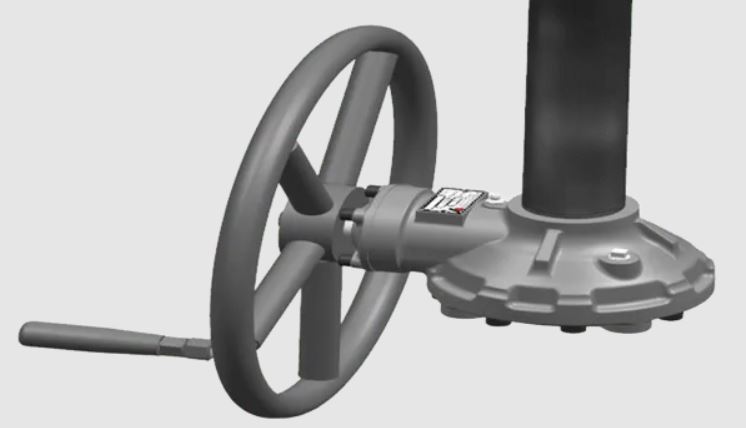
Efficient flow control is essential for water distribution networks, wastewater treatment plants, and industrial piping systems. Sluice valves help regulate or isolate the flow of liquids, while a suitable gearbox makes valve operation easier and more controlled. A Sluice Valve Gearbox is designed to transmit mechanical force to the valve stem, helping operators open or close the valve with reduced manual effort.
Jayveer Enterprise provides industrial gearbox solutions for applications that require dependable mechanical operation. Selecting the right gearbox involves considering valve specifications, operating torque, installation requirements, and environmental conditions. With the correct equipment, industries can support smoother valve operation and improve the reliability of their flow control systems.
What Is a Sluice Valve Gearbox?
A sluice valve gearbox is a mechanical drive unit used to operate a sluice valve. It transfers input force through a gear mechanism to generate the torque required to move the valve between its open and closed positions.
Large valves can require considerable operating torque, particularly in demanding industrial environments. A gearbox helps manage this requirement by providing mechanical advantage. Depending on the design, operators may use a handwheel or another compatible input arrangement to operate the valve.
These gearboxes are commonly selected for systems where controlled valve movement and reliable operation are important. The correct configuration depends on the valve design, size, pressure conditions, and operating requirements.
Key Features of a Sluice Valve Gearbox
A well-selected gearbox supports consistent valve operation and helps simplify routine maintenance. However, its performance depends on the quality of the design, correct installation, and suitability for the application.
1. Efficient torque transmission
The gear mechanism transfers input force to the valve operating mechanism. A suitable gear ratio can reduce the effort required to operate valves that demand higher torque.
2. Durable construction
Industrial gearboxes may use robust metal housings and internal components designed for regular operation. Material selection should reflect the installation environment, expected loads, and maintenance requirements.
3. Controlled valve operation
A gearbox allows operators to move the valve through its operating range in a controlled manner. Correct sizing helps prevent excessive operating effort and supports dependable performance.
4. Flexible installation options
Different gearbox configurations are available for various valve sizes and mounting arrangements. Compatibility with the valve stem, mounting interface, and operating mechanism should always be confirmed before installation.
5. Maintenance accessibility
A practical gearbox design allows inspection and servicing according to the manufacturer’s recommendations. Routine checks can help identify lubrication issues, unusual noise, wear, or other signs of potential problems.
Applications of Sluice Valve Gearboxes
Sluice valve gearboxes are used in several industries where liquid flow must be controlled or isolated. Their suitability depends on the valve design and the operating conditions of the system.
Water Supply and Distribution
Water treatment facilities and distribution networks use sluice valves to isolate sections of pipelines during maintenance or repairs. A suitable gearbox helps operators manage valves installed in large pipelines or locations where direct operation may require significant effort.
Wastewater Treatment Plants
Wastewater facilities rely on valves to control the movement of water and other process fluids. Gearboxes can support valve operation in treatment plants, pumping stations, and associated pipeline networks.
Industrial Processing
Manufacturing plants and industrial facilities may use sluice valves in utility and process piping systems. Choosing a compatible gearbox helps support reliable isolation and maintenance procedures.
Infrastructure and Pumping Stations
Pumping stations and public infrastructure projects often require dependable valve arrangements. Gearboxes help operate compatible valves in systems where access, valve size, or operating torque makes direct manual operation difficult.
How to Choose the Right Sluice Valve Gearbox
Selecting the correct gearbox is important for safe and reliable operation. Before purchasing, evaluate the following factors.
Valve size and type: Confirm the valve specifications and operating arrangement. Gearboxes must match the valve’s mechanical interface and intended movement.
Required operating torque: Determine the torque required to operate the valve under its expected conditions. The gearbox should meet the specified requirements without exceeding the allowable loads of the valve or drive components.
Gear ratio: The gear ratio affects the relationship between input effort and output torque. Choose a configuration that supports the required operation while keeping operating time and effort within acceptable limits.
Material and environment: Consider moisture, dust, temperature, corrosion exposure, and installation location. Appropriate housing materials and protective features can help improve service life.
Mounting compatibility: Check the mounting dimensions, stem connection, and available installation space. Correct alignment is important for smooth operation and reduced mechanical stress.
Maintenance requirements: Review lubrication needs, inspection intervals, spare-part availability, and manufacturer guidance before finalising a purchase.
Benefits of Using the Correct Gearbox
A properly selected sluice valve gearbox can make valve operation more manageable and support the long-term reliability of a piping system. By providing suitable mechanical advantage, it can reduce the manual effort needed to operate compatible valves.
In addition, controlled operation can help maintenance teams manage valve movement more consistently. The right gearbox also supports effective integration with the valve and its mounting arrangement.
Nevertheless, a gearbox cannot compensate for an incorrectly sized valve, poor installation, or unsuitable operating conditions. Correct engineering selection and regular inspection remain essential for reliable performance.
Installation and Maintenance Considerations
Proper installation helps ensure that the gearbox operates as intended. Before fitting the unit, verify the mounting interface, shaft alignment, fasteners, and manufacturer specifications. Installation should be performed by qualified personnel using the recommended procedures.
Routine maintenance should include checking for leaks where applicable, unusual noise, excessive vibration, loose fasteners, and signs of wear. Lubrication should follow the manufacturer’s instructions because different gearbox designs may require different lubricants and service intervals.
Operators should also avoid applying excessive force to the handwheel or input mechanism. If a valve becomes difficult to operate, investigate the cause rather than forcing the gearbox. These precautions help protect the valve assembly and reduce the risk of equipment damage.
Why Consider Jayveer Enterprise?
Choosing an industrial gearbox supplier involves more than comparing product prices. Buyers should evaluate technical suitability, product specifications, application requirements, and the availability of support during selection.
Jayveer Enterprise is a business to consider when exploring industrial gearbox solutions. Before placing an order, share the valve type, size, required operating torque, mounting details, and installation conditions. This information helps establish whether a particular gearbox configuration is suitable for the intended application.
Clear technical communication also helps reduce compatibility issues and supports a more efficient purchasing process.
Frequently Asked Questions
1. What is the purpose of a sluice valve gearbox?
A sluice valve gearbox transfers input force through a gear mechanism to help operate a compatible sluice valve. It provides mechanical advantage when the valve requires higher operating torque.
2. Where are sluice valve gearboxes commonly used?
They are commonly used in water distribution networks, wastewater treatment plants, pumping stations, and industrial piping systems where compatible sluice valves are installed.
3. How do I select the correct sluice valve gearbox?
Consider the valve size and type, required torque, gear ratio, mounting arrangement, environmental conditions, and maintenance requirements. Confirm compatibility with the valve manufacturer or a qualified supplier.
4. Does a sluice valve gearbox require regular maintenance?
Yes. Inspection and maintenance should follow the manufacturer’s recommendations. Checks may include lubrication, mounting security, unusual noise, and signs of wear.
5. Can one gearbox fit every sluice valve?
No. Gearboxes vary in torque capacity, gear ratio, mounting dimensions, and mechanical interfaces. The selected unit must match the specific valve and operating requirements.
Conclusion
A Sluice Valve Gearbox plays an important role in the controlled operation of compatible valves across water infrastructure and industrial applications. By providing mechanical advantage, it helps manage operating torque and supports dependable flow isolation. Proper sizing, mounting compatibility, and routine maintenance are essential for long-term performance.
Jayveer Enterprise can be considered when evaluating industrial gearbox requirements. By reviewing technical specifications and matching the gearbox to the intended valve application, businesses can make a more informed equipment selection and support reliable system operation.