
The food processing industry in India is growing rapidly, and spices remain at the heart of every kitchen and food business. A masala making plant plays a crucial role in ensuring high-quality spice production at scale. Whether you are starting a new spice business or upgrading your current setup, understanding how a masala making plant works can help you make better decisions.
Radhe Food Processing Machinery offers advanced solutions designed to meet modern spice manufacturing needs. In this blog, we will explore everything about masala making plants, including their benefits, components, working process, and how to choose the right one.
What is a Masala Making Plant?
A masala making plant is a complete system used for processing raw spices into fine powder or blended mixtures. It includes multiple machines that handle cleaning, drying, grinding, mixing, and packaging. These plants are designed to maintain hygiene, consistency, and efficiency in spice production.
With growing demand for packaged spices, businesses are shifting from manual grinding to automated systems. A well-designed masala making plant ensures uniform texture, better shelf life, and higher productivity.
Why Invest in a Masala Making Plant?
Investing in a masala making plant is a smart decision for anyone in the spice business. First, it significantly increases production capacity. Manual processes are slow and inconsistent, whereas automated plants deliver faster output with uniform quality.
Secondly, it improves hygiene. Modern machines are built with food-grade materials, reducing contamination risks. This is especially important for businesses aiming to meet export standards.
Moreover, it reduces labor costs. Once installed, the plant requires minimal human intervention, saving time and operational expenses. Radhe Food Processing Machinery focuses on energy-efficient designs, which further lower running costs.
Key Components of a Masala Making Plant
A complete masala making plant consists of several essential components that work together seamlessly.
The cleaning machine is the first step. It removes dust, stones, and impurities from raw spices. Clean raw material ensures better grinding quality and longer machine life.
Next comes the drying system. Some spices contain moisture that needs to be reduced before grinding. Proper drying prevents clumping and improves shelf life.
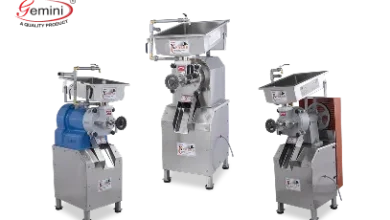
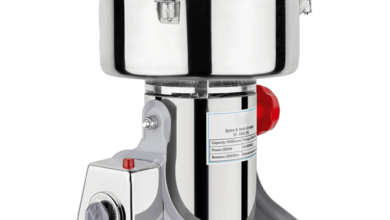
The grinding machine is the core of the plant. It converts whole spices into fine powder. High-speed grinders ensure consistent particle size, which is crucial for quality.
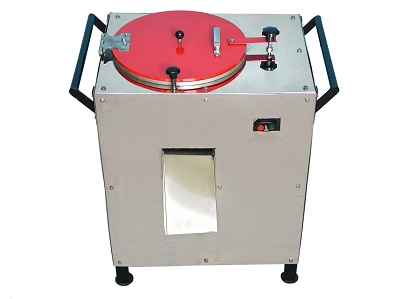
After grinding, the mixing unit blends different spices to create unique masala formulations. This step is essential for producing ready-made spice mixes.
Finally, the packaging machine ensures the spices are packed hygienically and efficiently. Proper packaging helps retain aroma and freshness.
Working Process of a Masala Making Plant
The working process of a masala making plant is straightforward yet highly efficient. It begins with raw material feeding. Spices are loaded into the cleaning unit, where unwanted particles are removed.
Then, the cleaned spices move to the drying system if needed. Once dried, they are transferred to the grinding machine. The grinding process converts them into fine powder while maintaining natural flavor and aroma.
After grinding, the powder is sent to the mixing unit. Here, different spices are blended according to specific recipes. This step ensures consistency in taste.
Finally, the finished product is packed using automatic machines. The entire process is streamlined to reduce wastage and maximize output.
Benefits of Using Advanced Masala Making Plants
Using a modern masala making plant offers several advantages. One of the biggest benefits is consistency. Automated systems ensure every batch has the same quality, which builds customer trust.
Another advantage is scalability. As your business grows, you can increase production without major changes to your setup. This flexibility is essential in today’s competitive market.
Additionally, these plants are designed for easy maintenance. Radhe Food Processing Machinery provides user-friendly systems that minimize downtime and ensure smooth operations.
Energy efficiency is another key benefit. Modern machines consume less power while delivering higher output, making them cost-effective in the long run.
How to Choose the Right Masala Making Plant
Choosing the right masala making plant depends on several factors. First, consider your production capacity. Small businesses may need compact units, while large manufacturers require high-capacity plants.
Next, evaluate the quality of materials used in the machine. Food-grade stainless steel is essential for hygiene and durability.
Automation level is another important factor. Fully automatic plants are ideal for large-scale operations, while semi-automatic systems work well for small businesses.
You should also consider after-sales support. Reliable service and spare parts availability are crucial for uninterrupted production. Radhe Food Processing Machinery is known for providing excellent customer support and durable machines.
Applications of Masala Making Plants
Masala making plants are widely used across various industries. Spice manufacturers use them to produce packaged spices for retail markets.
Food processing companies rely on these plants for bulk spice production used in ready-to-eat meals. Restaurants and catering businesses also use smaller units for in-house spice preparation.
In addition, export-oriented businesses depend on high-quality masala making plants to meet international standards. Consistent quality and hygiene are essential for global markets.
Maintenance Tips for Better Performance
Proper maintenance is essential to ensure the long life of your masala making plant. Regular cleaning prevents residue buildup and maintains hygiene.
Lubricating moving parts helps reduce wear and tear. It is also important to inspect components regularly for any signs of damage.
Using high-quality raw materials can also improve machine performance. Impurities in spices can damage grinding units over time.
Scheduling periodic servicing from experts ensures that your plant operates efficiently without unexpected breakdowns.
Future of Masala Making Plants
The future of masala making plants looks promising with advancements in technology. Automation and smart systems are becoming more common, allowing real-time monitoring and control.
Energy-efficient designs and eco-friendly solutions are also gaining popularity. Businesses are focusing on sustainable production methods to reduce environmental impact.
Radhe Food Processing Machinery continues to innovate and provide modern solutions that meet the evolving needs of the spice industry.
Conclusion
A Masala making plant is an essential investment for any spice manufacturing business. It improves efficiency, ensures consistent quality, and reduces operational costs. With the growing demand for packaged spices, having a reliable system can give you a competitive edge.
Radhe Food Processing Machinery offers high-quality solutions tailored to different business needs. By choosing the right plant and maintaining it properly, you can achieve long-term success in the spice industry.
If you are planning to start or expand your spice business, investing in a masala making plant is the right step toward growth and profitability.