

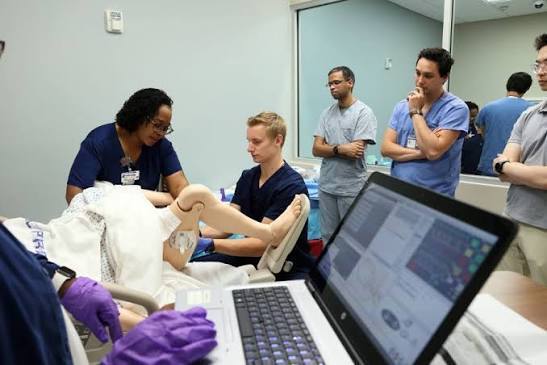
Women’s health needs can change significantly throughout life, from adolescence and reproductive years to pregnancy, menopause, and beyond. An OBGYN can provide care for many of these needs through preventive visits, screenings, reproductive health services, and treatment for common gynecological concerns. At Women’s Health Domain, patients can discuss personal symptoms, health goals, family planning, and changes that may require medical attention. Regular care can also help identify concerns earlier and support informed health decisions. Building an ongoing relationship with an OBGYN can make it easier to address changing needs with appropriate guidance.
Understanding OBGYN Care
An OBGYN combines obstetrics and gynecology, two medical areas focused on reproductive health and pregnancy. An OBGYN may provide routine gynecological care, pregnancy-related services, contraception counseling, and evaluation of reproductive health concerns.
The specific services available can vary by practice. However, the goal of OBGYN care is to address individual needs rather than apply the same approach to every patient. Regular appointments also provide an opportunity to discuss symptoms that may otherwise be overlooked.
Preventive Care and Routine Screenings
Preventive care is an important part of maintaining women’s health. During an appointment, an OBGYN may review medical history, menstrual patterns, medications, family history, and current concerns. Depending on age and individual risk factors, recommended screenings can vary.
An OBGYN can also explain which screenings may be appropriate and when they should occur. For example, cervical cancer screening recommendations depend on age, previous results, and the screening method used. The Centers for Disease Control and Prevention recommends discussing cervical cancer screening with a healthcare provider. (cdc.gov)
OBGYN Support for Reproductive Health
Reproductive health includes many areas, such as contraception, menstrual concerns, fertility, sexual health, and pregnancy planning. An OBGYN can discuss available options while considering personal health history and individual preferences.
Women experiencing irregular periods, unusually heavy bleeding, pelvic discomfort, or other changes may benefit from an evaluation. An OBGYN can review symptoms and determine whether further examination or testing is appropriate.
Open communication matters during these visits. Patients should feel comfortable describing changes, asking questions, and discussing concerns that may affect their reproductive health.
Pregnancy and Prenatal Care
Pregnancy creates additional healthcare needs that require regular monitoring. An OBGYN may provide prenatal care, monitor maternal and fetal health, order appropriate tests, and discuss nutrition, activity, medications, and warning signs.
An OBGYN can also help patients understand changes that occur during different stages of pregnancy. The American College of Obstetricians and Gynecologists emphasizes regular prenatal care as an important part of a healthy pregnancy. (acog.org)
Pregnancy care should always be individualized. Medical history, pregnancy complications, age, and other factors can influence the recommended schedule and type of care.
Menstrual and Hormonal Concerns
Menstrual changes can occur at different stages of life. Some people experience painful periods, irregular cycles, heavy bleeding, or symptoms related to hormonal changes. These concerns can sometimes affect work, sleep, exercise, and daily activities.
An OBGYN can evaluate menstrual symptoms and discuss potential causes. Depending on the situation, treatment may include lifestyle changes, medication, hormonal options, or additional testing.
Persistent or unusually severe symptoms should not simply be ignored. A professional evaluation can help identify whether an underlying condition requires attention.
Gynecologist Austin and Local Women’s Healthcare
Patients searching for Gynecologist Austin may be looking for accessible care for preventive visits, reproductive concerns, pregnancy services, or gynecological symptoms. A local provider can discuss individual health needs, medical history, screening schedules, and available treatment options. Women’s Health Domain can provide a setting where patients discuss concerns directly with an OBGYN and receive guidance based on their circumstances. Choosing a healthcare provider should involve considering credentials, services offered, communication, accessibility, and whether the practice meets personal healthcare needs.
OBGYN Care During Perimenopause and Menopause
Perimenopause and menopause bring physical and hormonal changes that may affect sleep, mood, menstrual cycles, vaginal health, and overall comfort. An OBGYN can help patients understand these changes and discuss suitable management options.
An OBGYN may review symptoms, health history, medications, and personal risk factors before recommending treatment. Some people may benefit from lifestyle adjustments, while others may discuss prescription therapies or other approaches with their healthcare provider.
There is no single experience of menopause. Care should therefore reflect individual symptoms and medical considerations.
Choosing Women’s Health Domain
Selecting a women’s healthcare provider is a personal decision. Women’s Health Domain focuses on creating opportunities for patients to discuss preventive care, reproductive health, pregnancy, hormonal changes, and other concerns.
An OBGYN relationship can become especially valuable when health needs change over time. Patients can bring questions about symptoms, screening, contraception, pregnancy planning, or menopause to appointments and discuss them with a qualified professional.
Clear communication can also help patients understand recommended tests, possible treatments, follow-up needs, and available alternatives. This approach supports informed participation in healthcare decisions.
Conclusion
Comprehensive women’s healthcare can support health needs across different stages of life. An OBGYN can provide preventive services, reproductive care, pregnancy support, screening guidance, and evaluation of gynecological concerns. At Women’s Health Domain, patients can discuss personal health changes and explore appropriate care based on their individual circumstances. Regular appointments can help maintain continuity of care and create opportunities to address concerns early. Whether the need involves routine screening, reproductive health, pregnancy, menstrual changes, or menopause, working with an OBGYN can provide professional guidance throughout a woman’s healthcare journey.